

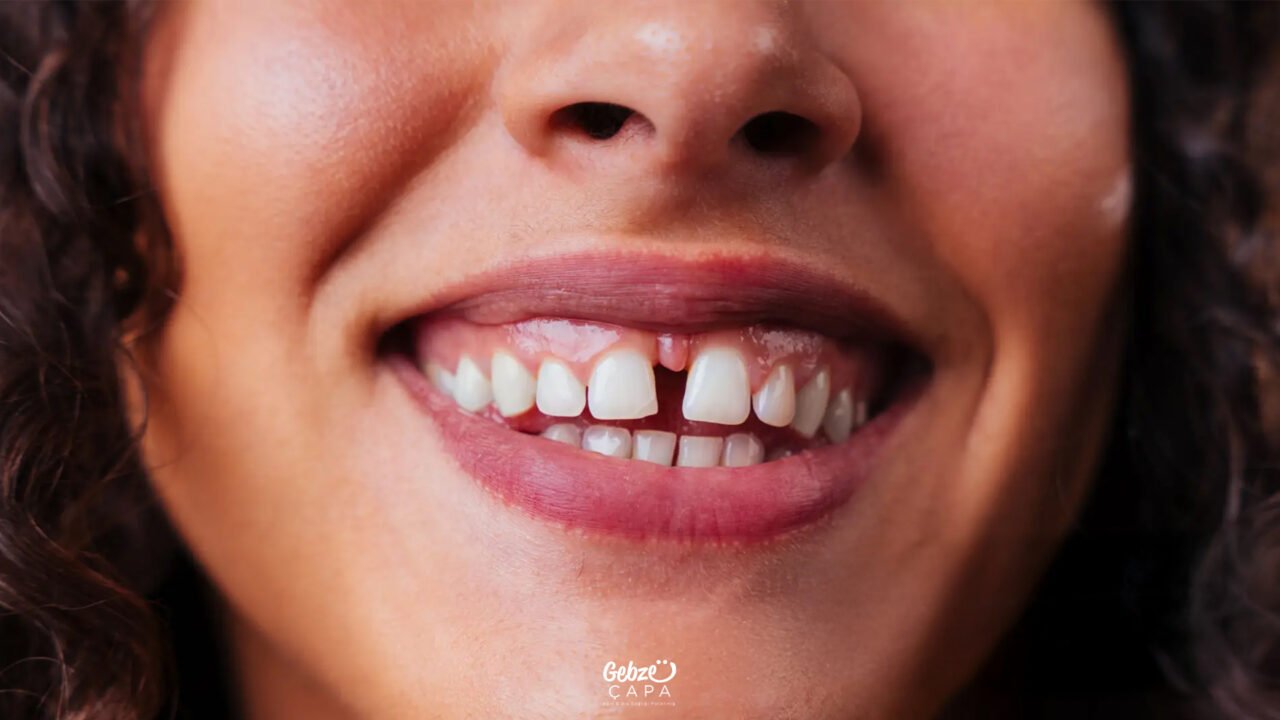
What Is Diastema (Gap Between Teeth)? How Is It Treated?
When you smile and look in the mirror, what’s the first thing you notice? The color of your teeth, their alignment, or that small gap between two teeth? This gap—especially when it appears between the upper front teeth—is called diastema. For some people, it’s a charming and distinctive feature; for others, it can quietly undermine self-confidence. While some embrace it as something that makes them unique, others find themselves covering their mouth in photos. The same condition can evoke very different feelings from one person to another.
Teeth are not just structures we use for chewing; they play a big role in our self-confidence, social interactions, and how we express ourselves. Feeling comfortable when you smile or speak—without the urge to hide your mouth—can have a much bigger impact than we realize. This is why diastema goes beyond being a simple aesthetic detail and often carries a psychological dimension as well.
So, what exactly is diastema? Why does it exist from childhood in some people, while appearing later in life for others? Is it mostly genetic, or do our habits play a role? And most importantly, does diastema always need treatment, or is it sometimes just a matter of personal choice?
What Is Diastema?
Diastema refers to a space between teeth that is wider than normal. While most people immediately think of the gap between the two upper front teeth, diastema is not limited to this area. It can also appear in the lower teeth, the side or back teeth, or even between several teeth at once. In some individuals, the gap is barely noticeable, while in others it can be prominent enough to affect both smiling and speaking.
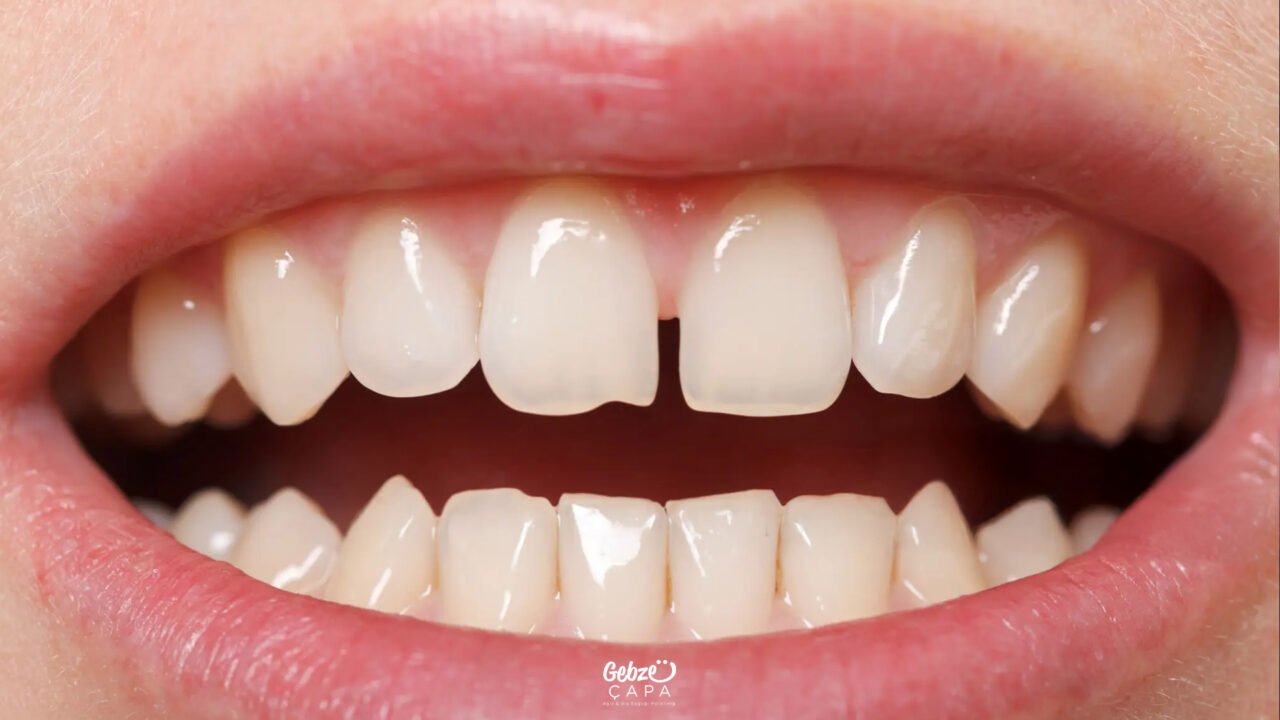
In everyday language, diastema is often called “gap teeth” and is usually perceived as a purely cosmetic issue. However, not every gap is just about appearance. Sometimes teeth are relatively small compared to the jaw, sometimes gum-related conditions are involved, and sometimes childhood habits pave the way for these spaces. In other words, diastema can be a natural variation—or at times, a subtle signal your body is giving you.
What truly matters is how this condition makes the person feel and whether it causes any problems in terms of oral health. Some people see diastema as a signature part of their smile, while for others it can gradually become a detail that affects self-confidence.
Why Does Diastema Occur?
Gaps between teeth usually don’t develop for a single reason. Most of the time, several factors come together, and each mouth has its own story. One of the most common causes is genetics. If separated teeth are common in your family, it’s quite natural to see a similar pattern in yourself. When the jaw is wide and the teeth are relatively small, the teeth may not fully fill the jawbone, leading to spaces. This isn’t the result of something done wrong later in life—it’s simply a structural trait you’re born with.
In other cases, the issue doesn’t stem from the teeth themselves but from the surrounding tissues. A thick or long piece of tissue connecting the upper lip to the gum can prevent the front teeth from coming together. Additionally, teeth that are naturally smaller than usual or missing from birth can also create noticeable gaps. Even a small absence in the front area can make a big difference in a smile. When these issues go unnoticed during childhood, they can become permanent over time.
Habits and overall oral health also play an important role. Constant pressure from the tongue against the teeth, prolonged pacifier use, or unconscious oral habits can slowly push teeth apart. Over time, these small forces can lead to visible spaces.
Is Diastema Only an Aesthetic Issue?
This question sits right at the heart of how diastema is perceived, and there’s no simple “yes” or “no” answer. For some people, a small gap remains unchanged for years and doesn’t affect oral health or daily life at all. In such cases, diastema is often seen purely as an aesthetic detail and doesn’t require any treatment. If the person is happy with their smile and there are no other oral health concerns, the gap can be considered a natural feature.
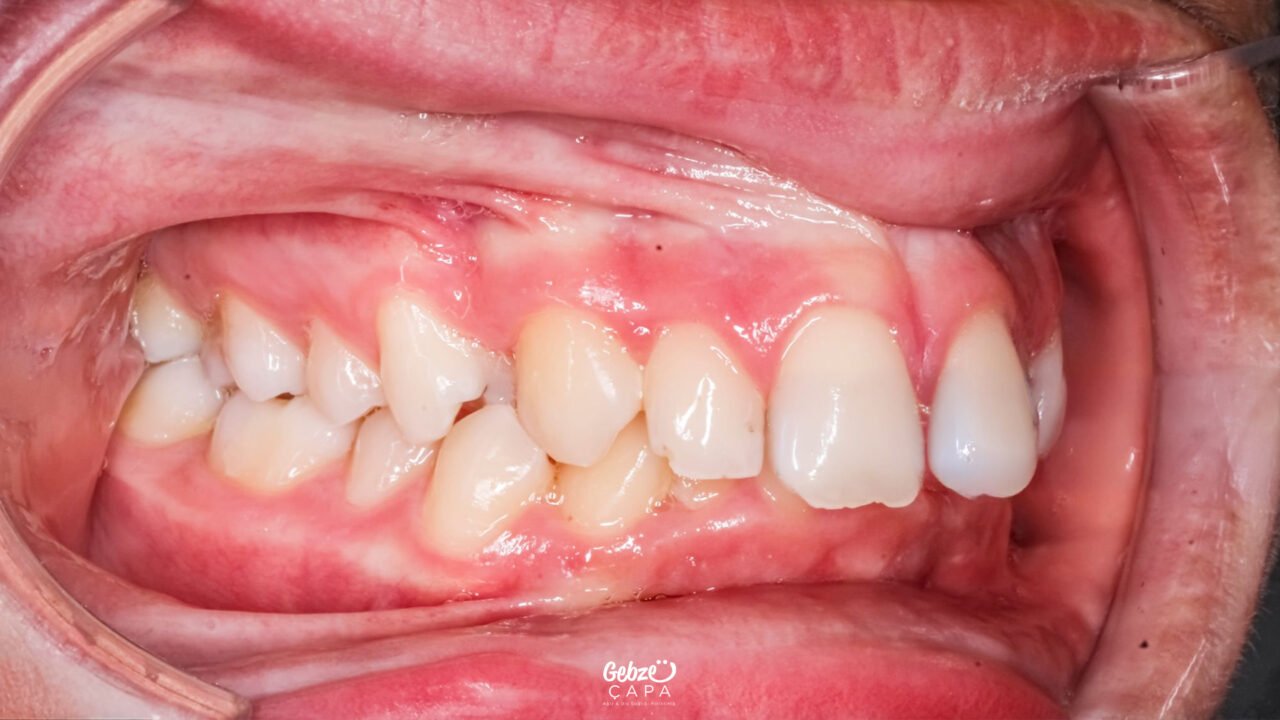
However, not every diastema is this harmless. In some cases, the space between teeth can make it harder to pronounce certain sounds clearly, especially “s” and “z.” Food can also get trapped in these gaps more easily, which may lead to gum sensitivity or inflammation over time. As the gums weaken, the support around the teeth can be affected, reducing chewing efficiency.
Should Diastema Be Treated?
The answer to this question largely depends on how you feel when you look in the mirror and the overall state of your oral health. If the gap doesn’t bother you, doesn’t interfere with daily life, and isn’t linked to any health problems, there’s no absolute need to treat it. For many people, diastema is simply a natural part of their smile—sometimes even a defining characteristic.
On the other hand, if the gap affects your confidence, makes you uncomfortable when you smile, or seems to be increasing over time, it’s worth taking a closer look. Especially if there’s an underlying gum issue, habit, or structural reason, addressing diastema may be important not only for aesthetics but also for long-term oral health.
How Is Diastema Treated?
Today, saying “there’s nothing that can be done” about gaps between teeth is no longer true. There are many effective treatment options available, each suited to different needs and expectations. The key is identifying why the gap formed in the first place and considering both aesthetic goals and comfort. Every diastema is different, and there’s no one-size-fits-all solution.
When gaps are wide or appear in multiple areas, orthodontic treatments are among the most lasting solutions. Traditional braces or clear aligners can gradually and safely bring teeth into their ideal positions. For smaller gaps, more practical options may be preferred. Composite bonding, for example, allows gaps to be closed quickly by adding aesthetic material to the teeth—often in a single session and with minimal intervention.
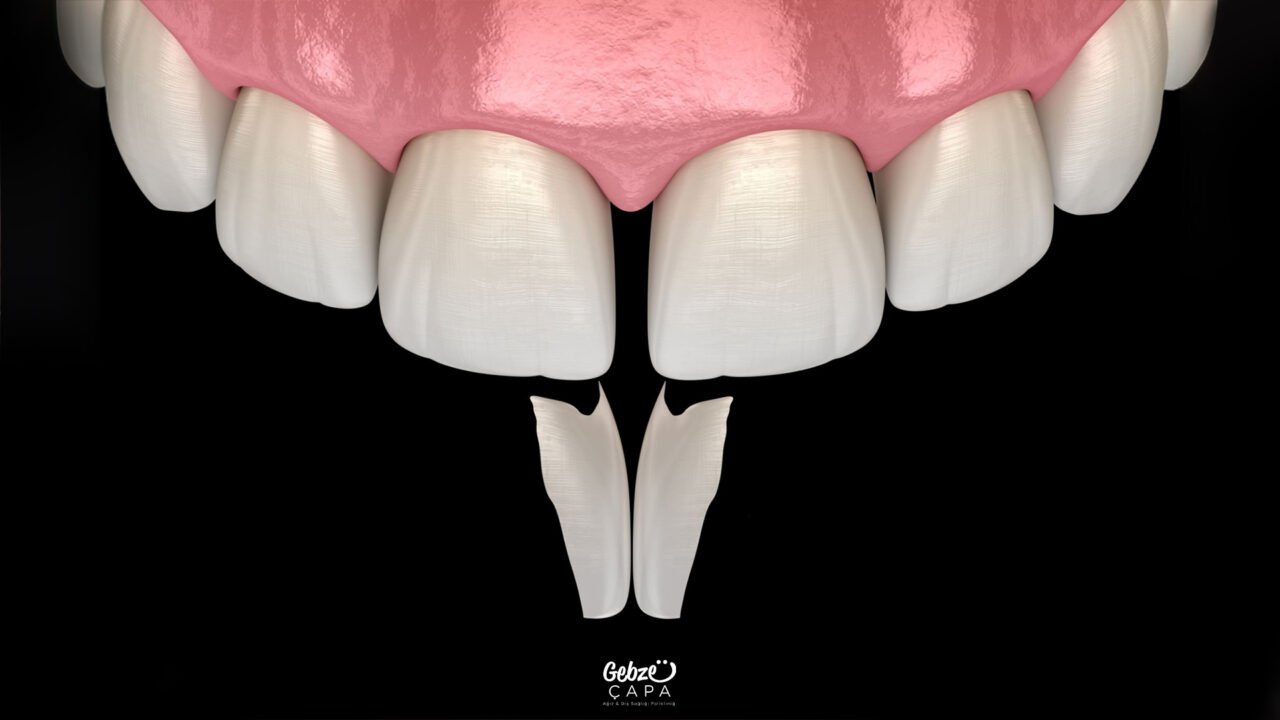
For those with higher aesthetic expectations, porcelain veneers offer a strong alternative. This approach not only closes gaps but also improves tooth shape and color, delivering natural-looking and long-lasting results. If the underlying cause is a thick or long lip-tie, a minor surgical procedure may be needed to remove it—often alongside other treatments—to help prevent the gap from returning.
Is Diastema Normal in Children?
Parents often worry about this, and that concern is completely understandable. Seeing gaps between your child’s teeth can easily raise alarms. However, in most cases, diastema during childhood is simply part of normal development. During the primary teeth stage and the mixed dentition period—when permanent teeth are gradually coming in—spaces between teeth are quite common. As the jaw grows and permanent teeth take their place, these gaps often close on their own.