
What is Composite Filling?
When you sit in a dentist’s chair, one of the most commonly heard words is undoubtedly “filling.” Most people don’t ask too many details at this point because they think of it as a standard treatment. However, when it comes to “composite filling,” things change a little. Because this term refers to one of the most important applications of modern and aesthetic dentistry, and most patients ask the same question: “What exactly is this, and why is it preferred for my tooth?”
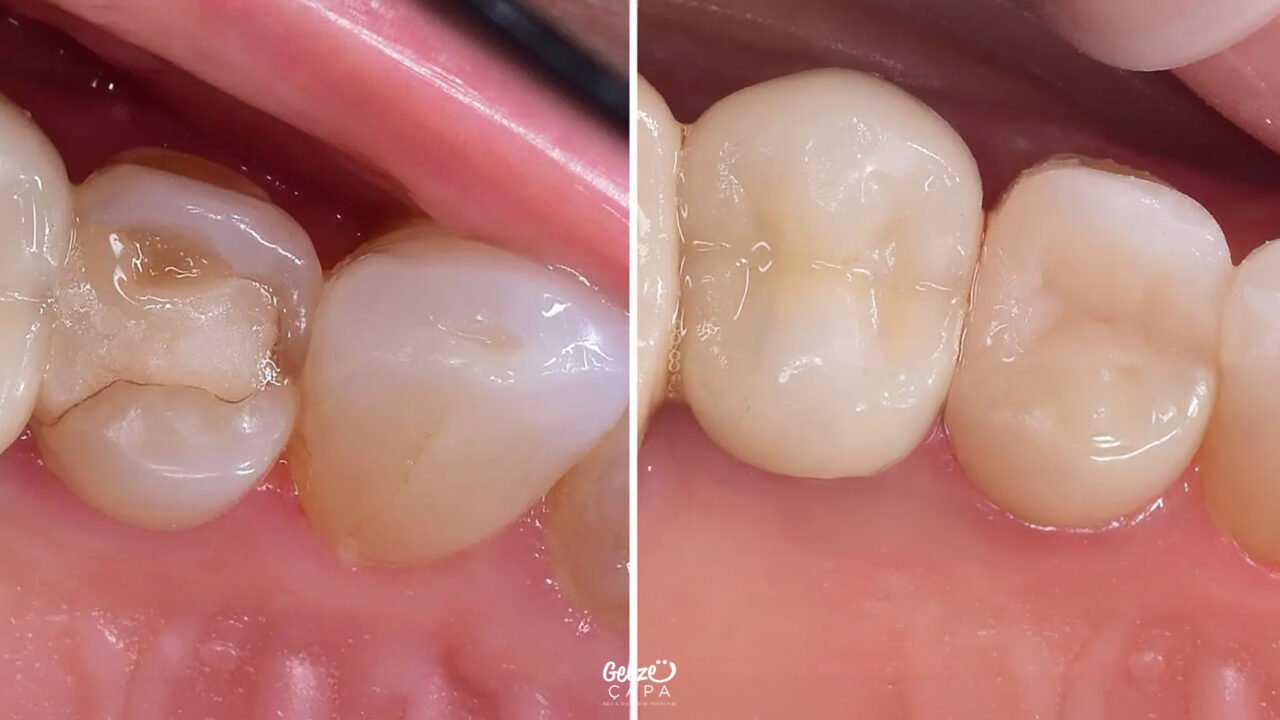
A composite filling is much more than a simple repair procedure. This method, used to restore decayed, broken, or worn tooth structure, is performed with a special material that can perfectly match the natural color of the tooth. In other words, it is almost impossible to notice from the outside that a filling has been done. This provides a great advantage, especially for patients with aesthetic concerns.
Today, the goal of dentistry is not only to treat the tooth but also to preserve its natural appearance and complete the treatment without affecting the person’s smile. Composite fillings have become very popular because they can be safely used in both front and back teeth, are quickly applied, and can be easily shaped when needed.
What is a Composite Filling in Simple Terms?
In its simplest form, a composite filling means repairing cavities, fractures, or small defects in the tooth using a material that closely matches the natural color of the tooth.
To put it in a more everyday way; when a gap forms in your tooth, that space is no longer filled with the old style gray or metallic materials, but with a special filling material that blends almost perfectly with your tooth. So from the outside, it doesn’t look like a “filled tooth,” but rather like a natural part of the tooth itself.
That’s why composite fillings are especially preferred for aesthetic reasons.
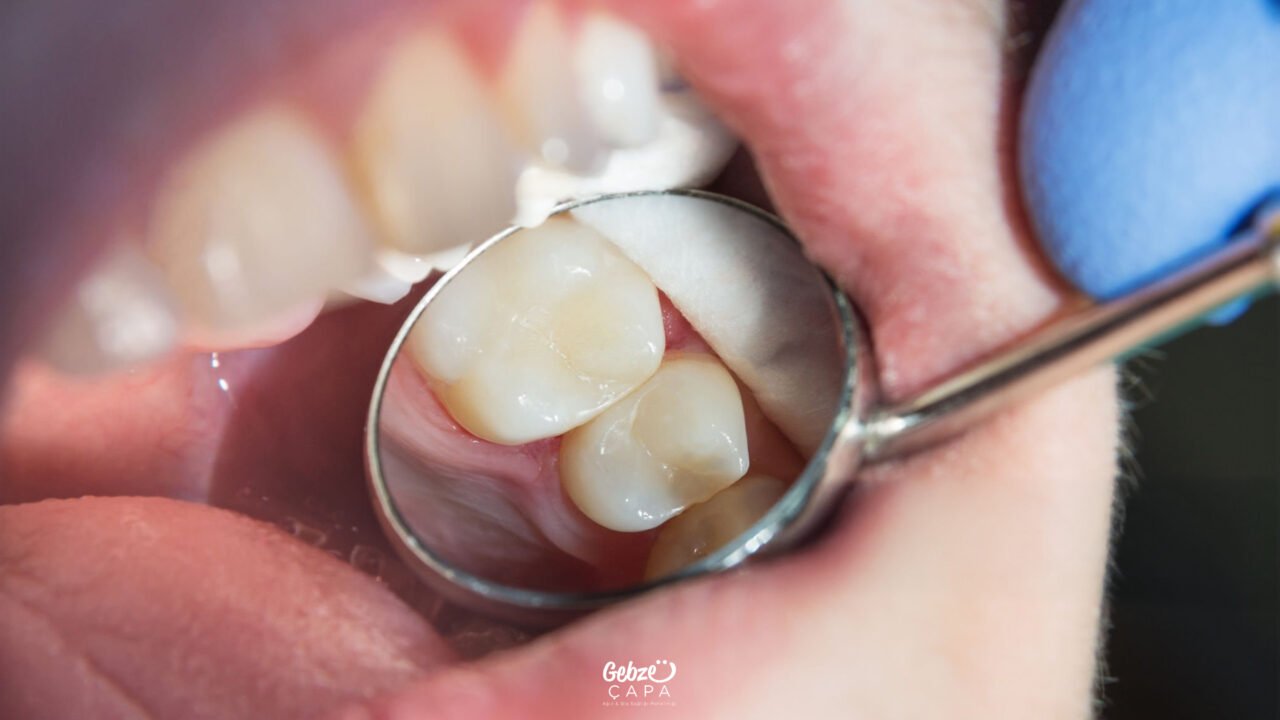
When we look at the structure of this filling, we actually see a very interesting mixture. It generally contains a resin based structure. In addition, very fine glass or ceramic particles are added to increase durability and strength. Some special components also help it bond better to the tooth and increase its longevity.
When all these components come together, the result is a filling that is both durable and natural looking. In other words, the goal is not just to “fill a cavity,” but to restore the tooth as close as possible to its original appearance.
Why Are Composite Fillings So Popular?
The main reason composite fillings are so popular is actually quite simple but very important: they offer people a “natural smile.”
In the past, when people talked about dental fillings, amalgam fillings immediately came to mind. Those classic silver gray fillings… Yes, they were durable and served their purpose for a long time, but aesthetically they were not very appealing. They could easily be noticed while smiling or talking, which was uncomfortable for many people.
Composite fillings completely changed this perception.
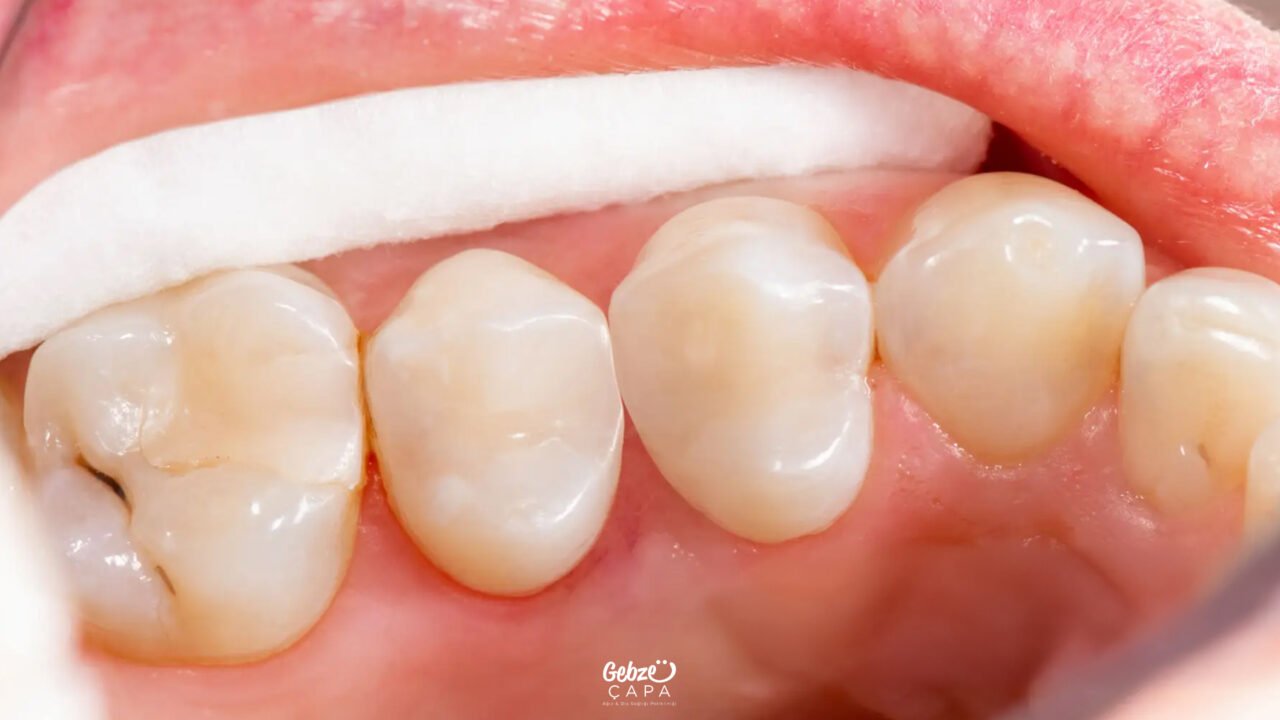
One of the biggest advantages is that they closely match the natural color of the tooth. In many cases, you even forget that you have a filling, and it is almost impossible for someone else to notice it. This makes a huge difference, especially for front teeth. Because nowadays, people don’t just want treatment they also want an aesthetically pleasing appearance.
Another important advantage is that it is quite practical. Composite fillings are usually completed in a single session, so there is no need for multiple appointments or long waiting times.
In addition, it bonds to the tooth chemically rather than mechanically, almost like it is “glued” in place. This means less tooth structure needs to be removed, preserving the natural tooth as much as possible.
When all these features come together, composite fillings are no longer just a treatment method but have become an essential part of aesthetic dentistry. For people who care about their smile and want their teeth to look natural even in photos, it has become one of the first choices.