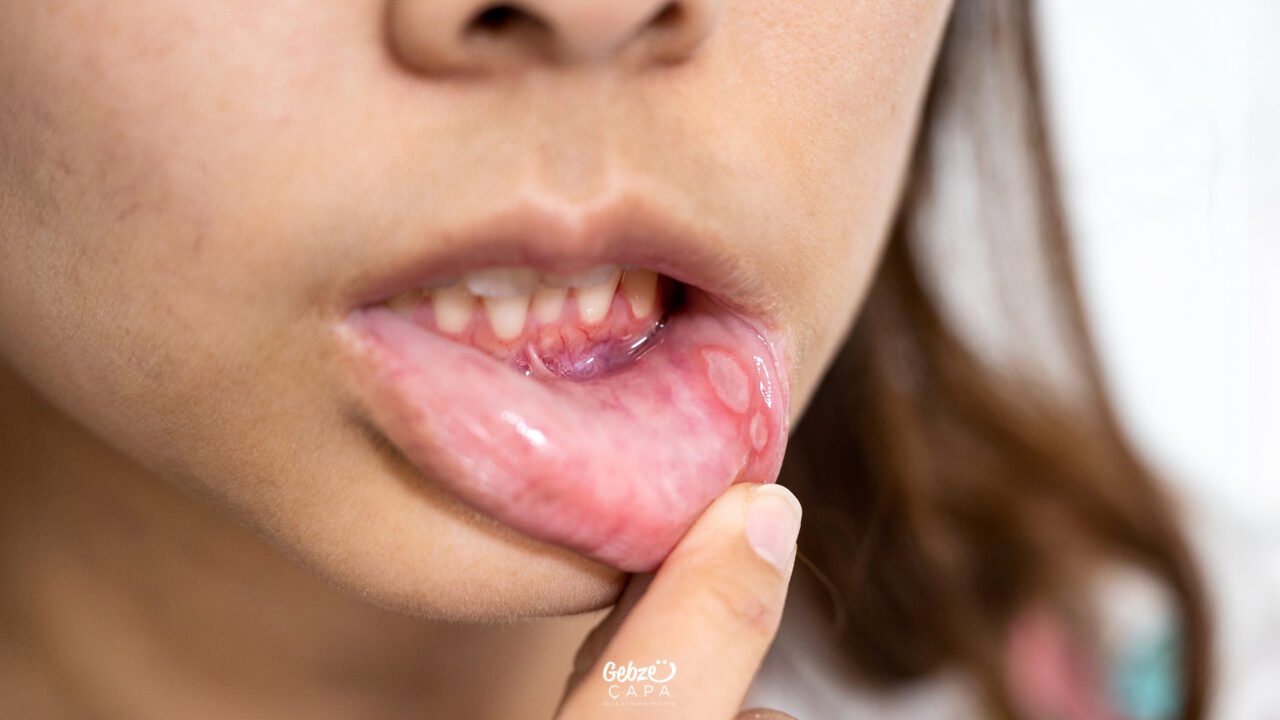
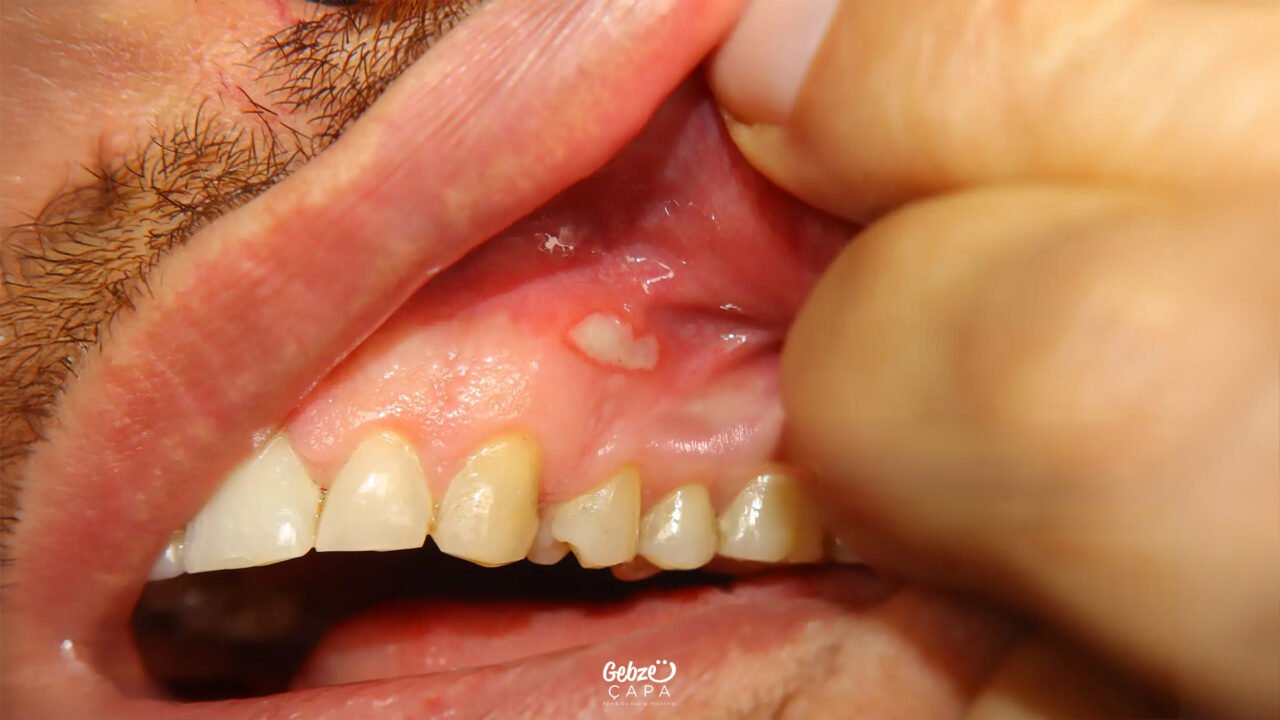
The question “Why do mouth sores occur?” is actually not as simple as it seems. Most of the time, there isn’t just one reason; several small factors come together and trigger the sore. Sometimes you’ve been working intensely, haven’t slept well, and stress builds up… During such periods, the body starts sending signals. Mouth sores are one of those signals. Many people say, “Whenever I’m stressed, I get mouth sores,” and you might be one of them too.
Another important factor is vitamins and minerals. When the body lacks nutrients like B12, iron, or folic acid, the tissues inside the mouth become more sensitive. In other words, your body may actually be trying to tell you something is missing. If you frequently experience mouth sores, the issue might not just be local it could be something deeper inside the body. That’s why paying attention in such cases is really important.
Of course, not everything is that complex. Sometimes it’s just small everyday accidents. For example, you might accidentally bite your cheek while eating or scratch the inside of your mouth with a hard bite of food. At that moment, you don’t think much of it, but a few hours later, sensitivity starts and the next day it turns into a small sore. This is especially common in people who eat quickly. So sometimes the cause is much simpler than we think.
Oral hygiene habits also play a big role. Not brushing regularly, not using dental floss, or neglecting oral care can increase bacteria in the mouth. This makes sores more likely to appear. Interestingly, the opposite can also happen: using a very hard toothbrush or brushing too aggressively can irritate the gums and lead to sores. So balance is really important here.
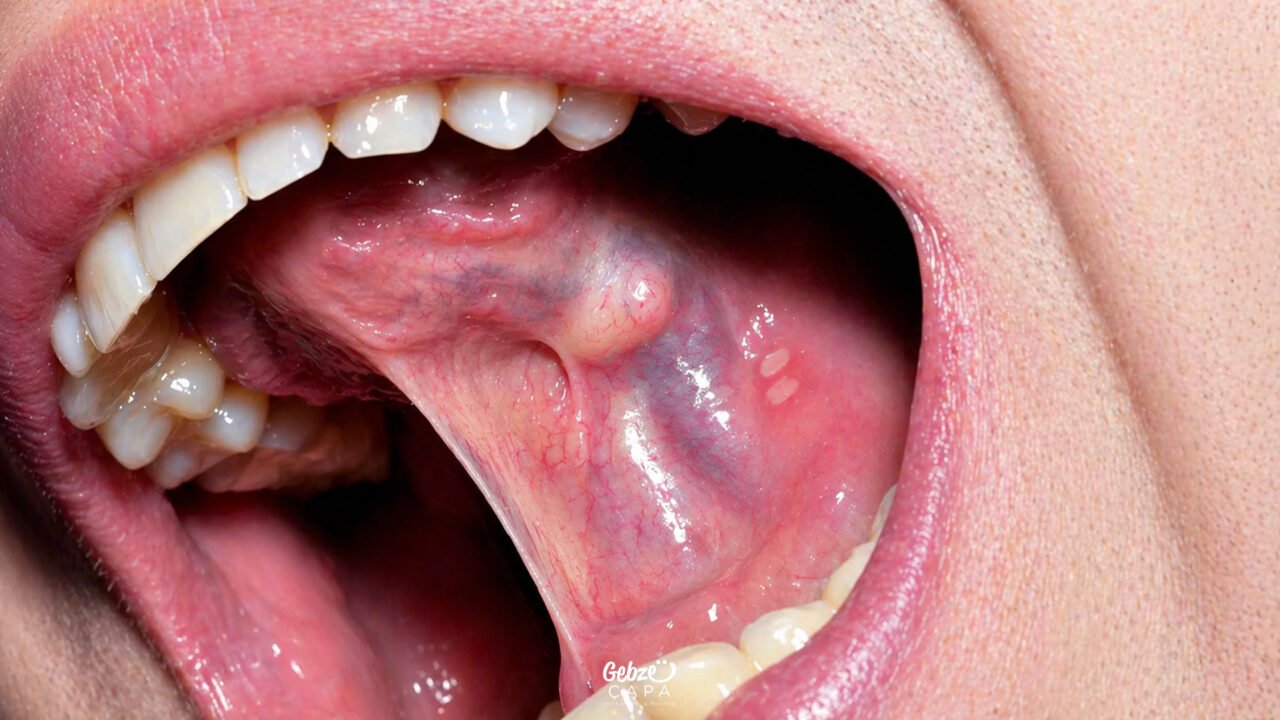
There’s also the body’s internal balance… Especially during hormonal changes, weakened immunity, or periods of illness, mouth sores can appear more frequently. Conditions like colds, flu, or general fatigue make the body more vulnerable. On top of that, acidic, spicy, or very hot foods can irritate the mouth and trigger this process.
How Do Mouth Sores Heal?
Now let’s come to the question everyone really wants answered: “How does a mouth sore heal?” Because honestly, the hardest part is just dealing with it every day once it appears. But let me start with some good news: most mouth sores heal on their own within about 1 to 2 weeks without any special treatment. In other words, the body usually does the healing itself. What we need to do is simply make the process more comfortable.
The most important thing during this period is to avoid further irritation. The less you disturb it, the faster it heals. For example, rinsing your mouth a few times a day with salt water may sound simple, but it’s actually quite effective. It cleans the mouth and helps the sore heal faster. Paying attention to oral hygiene also makes a big difference brushing gently and, if possible, using dental floss helps a lot.
Eating habits are also important. Very hot, spicy, or acidic foods can worsen the sensitivity. So choosing softer and lukewarm foods for a few days can be helpful. You might need to stay away from your favorite foods for a short while, but it’s worth it. Drinking plenty of water is another often overlooked but very effective habit. Keeping the mouth moist supports healing.
There’s also something many people ignore: stress. It may sound cliché, but it really matters. When you’re going through a busy period and your body is already tired, healing can take longer. That’s why taking small breaks, resting a bit, and reducing stress can actually make a big difference.
Is It Possible to Prevent Mouth Sores?
If you ask, “Is it possible to completely prevent mouth sores?” honestly, it may not always be 100% possible. Because sometimes they can appear even for the smallest reason at the most unexpected moment. However, it is also true that by paying attention to certain habits, you can significantly reduce the risk of them appearing.
First of all, nutrition is more important than you might think. When the body doesn’t receive enough vitamins and minerals, the inside of the mouth becomes more sensitive. Especially having an unbalanced diet or skipping meals can lead to such issues in the long term. That’s why it’s important to eat a balanced diet and not ignore the body’s signals. If you frequently get mouth sores, your body might be telling you something is missing.
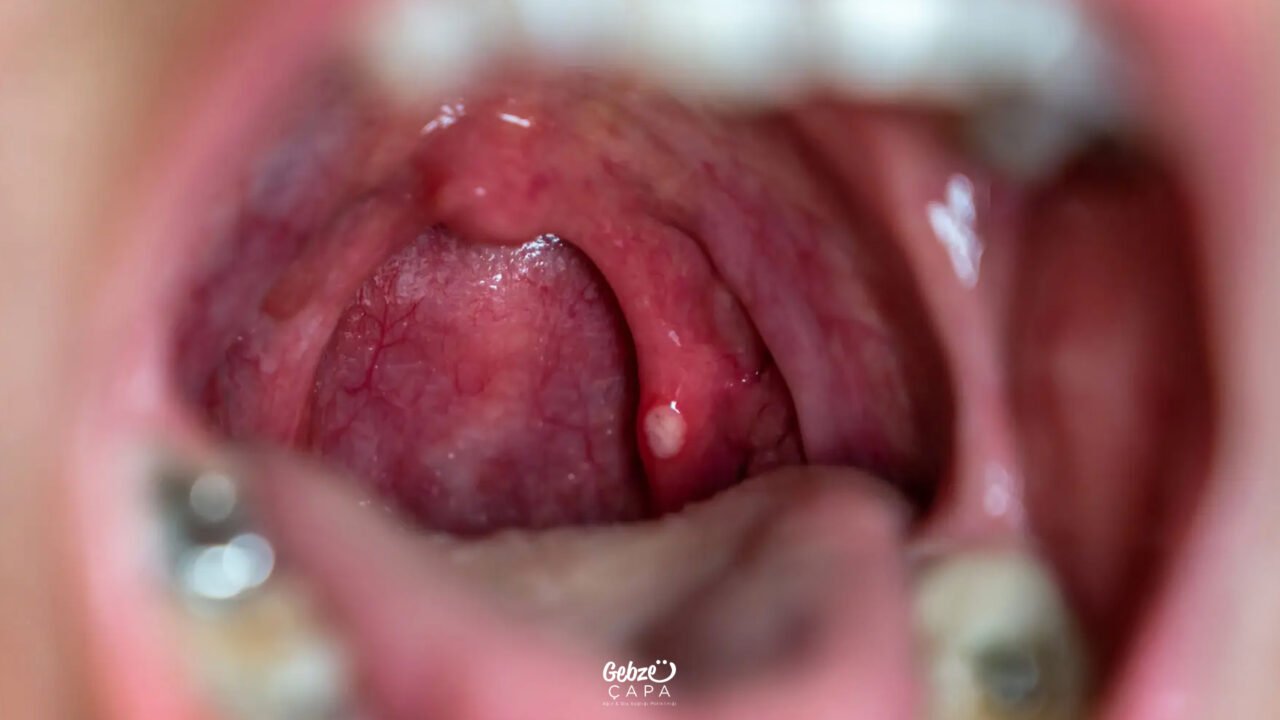
Another important factor is oral care. Brushing your teeth regularly, using dental floss when possible, and maintaining good oral hygiene can really help prevent these problems. But again, balance matters brushing too aggressively or using the wrong products can have the opposite effect. So gentle but consistent care is best.
Even though we often don’t notice it in daily life, stress is also a major factor. Busy schedules, lack of sleep, and mental fatigue weaken the body, and this can sometimes show up as mouth sores. Of course, it’s not possible to completely avoid stress, but even taking small breaks and giving yourself time to breathe can make a difference.
Periodontology Specialist Miraç Elbir