

What Is a Mouth Ulcer (Canker Sore)? How Does It Heal?
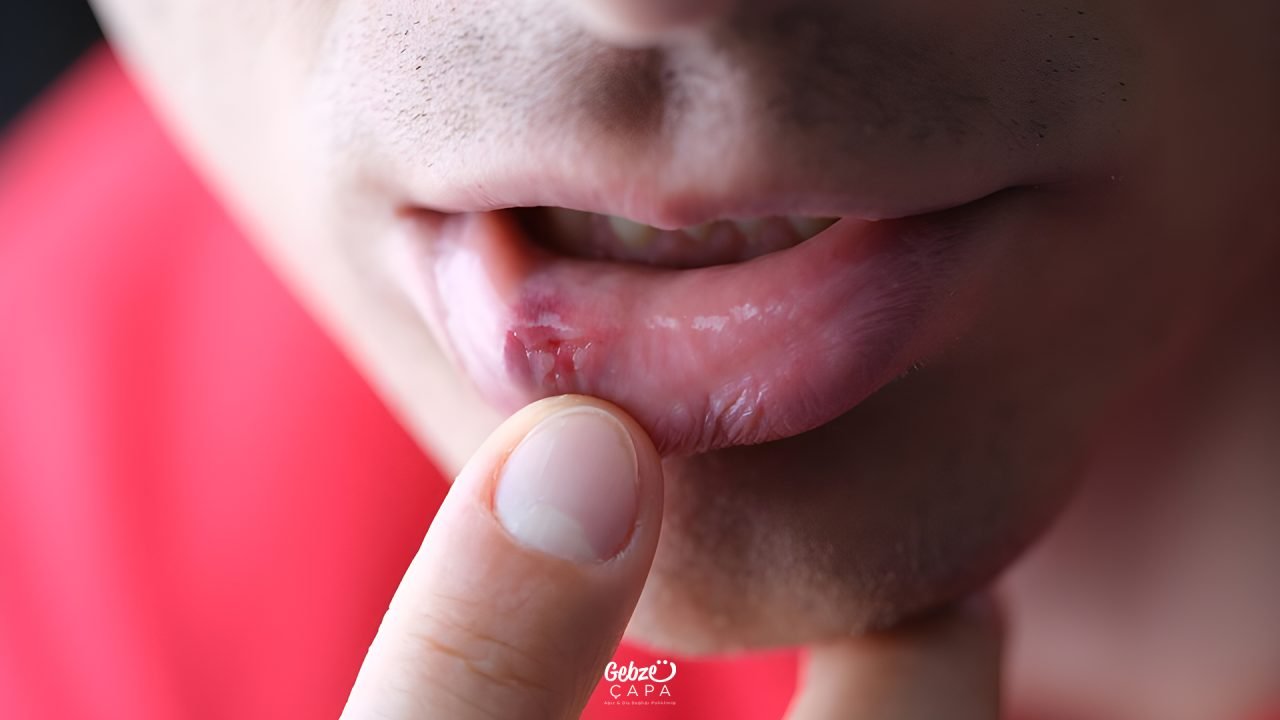
Almost everyone has experienced those tiny yet stubborn sores inside the mouth at least once in their life… You start the day feeling perfectly fine. Then, while taking a sip of tea or eating breakfast, you suddenly feel a sharp sting somewhere in your mouth. Without even realizing it, your tongue moves to that spot and there it is: a small sore with a pale center and a red, irritated edge. It may look harmless in the mirror, but it makes its presence known all day long, whether you’re eating, talking, or even smiling.
Mouth ulcers are usually harmless, but they can seriously affect daily comfort. They may force you to avoid your favorite foods, choose your words carefully while speaking, or even dampen your mood. And almost everyone asks the same question: “Why did this happen now?” Was it stress, lack of sleep, a weakened immune system, or a small mistake you didn’t even notice? Most people don’t really know why mouth ulcers appear—they simply wait for them to heal.
What Is a Mouth Ulcer?
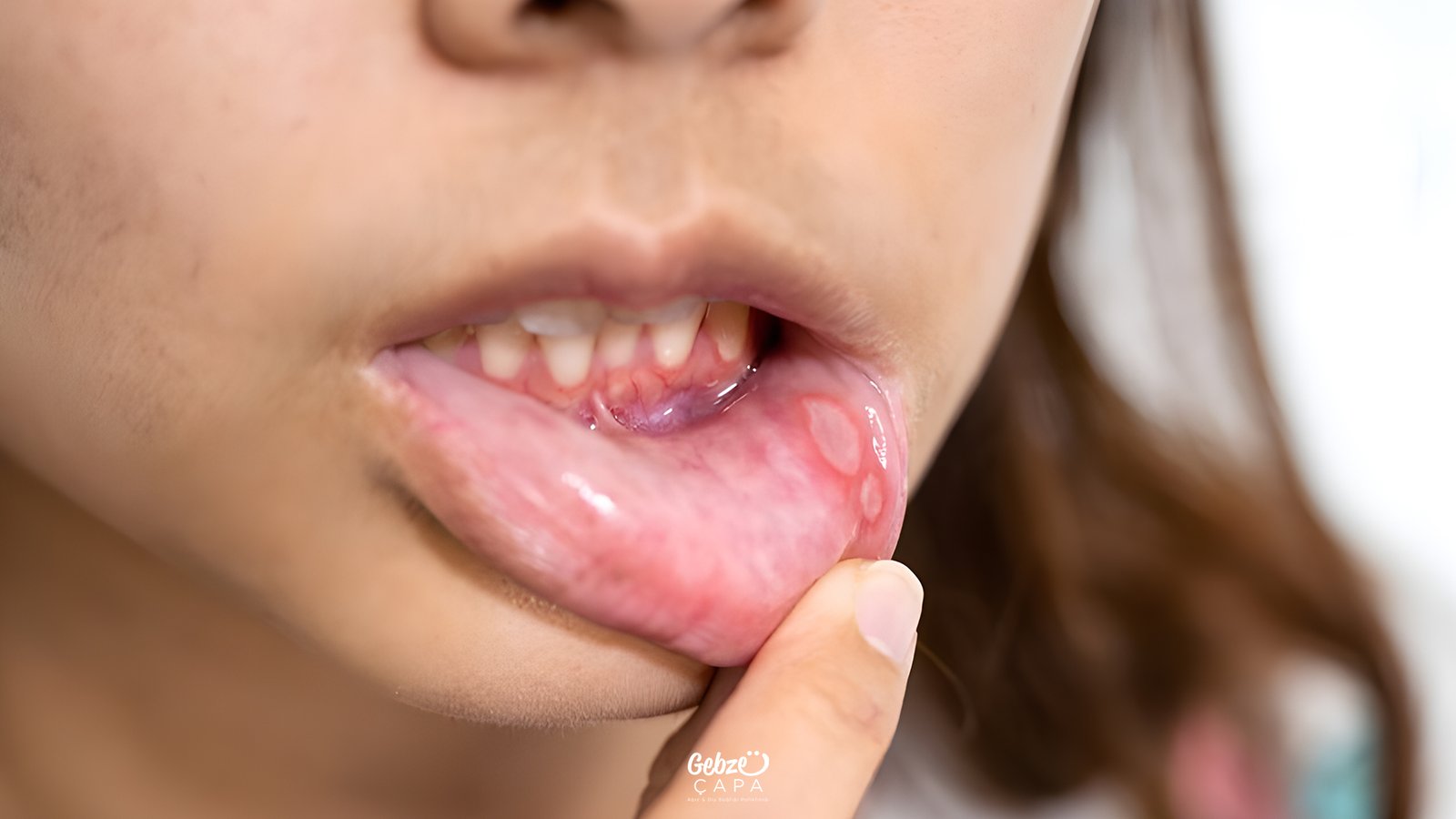
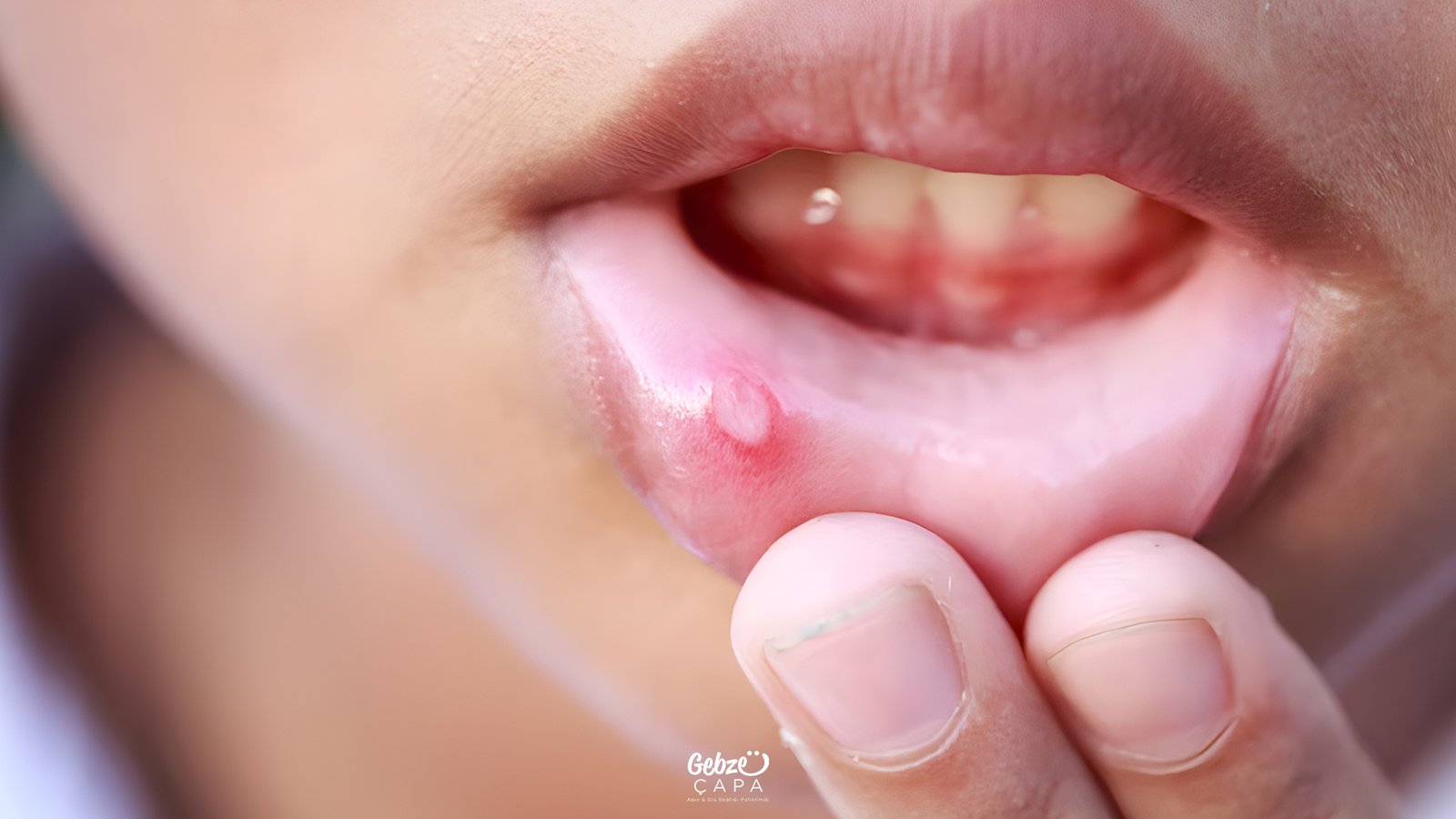
A mouth ulcer, medically known as an aphthous ulcer, is one of the most common and irritating problems affecting the inside of the mouth. These small sores develop on the oral mucosa and often appear without warning. They are most commonly found on the inner cheeks, inside the lips, on the tongue, or along the gums. At first, you may notice a slight tenderness, which soon turns into a small sore with a light-colored center and a reddish border.
Although mouth ulcers are usually small in size, their impact can feel surprisingly big. Drinking hot soup, eating spicy or acidic foods, or sometimes even speaking can become uncomfortable. Your tongue may constantly move toward the sore without you realizing it, making the pain more noticeable. While they may look concerning, mouth ulcers are not contagious and cannot be passed from one person to another.
In most cases, mouth ulcers heal on their own within 7 to 14 days without any specific treatment. Still, this healing period can be quite exhausting. The persistent discomfort can reduce the enjoyment of eating, make speaking more cautious, and lower overall quality of life.
Why Do Mouth Ulcers Occur?
There is no single cause behind mouth ulcers. In most cases, several small factors come together and trigger these painful sores. Daily stress, lack of sleep, and mental exhaustion play a major role. During intense work periods, exam stress, or emotionally challenging times, the immune system can become less resilient. Sometimes, the body expresses this imbalance by developing a mouth ulcer—a quiet signal saying, “Something is off.”
Physical irritation inside the mouth is another common trigger. Accidentally biting the inside of your cheek, brushing your teeth too harshly, or constant friction from braces or dentures can easily lead to ulcer formation. In addition, very spicy, acidic, or extremely hot foods can irritate the delicate tissues of the mouth, making them more vulnerable. Some people are simply more sensitive, and even minor irritation can result in a sore.
Vitamin and mineral deficiencies are also closely linked to recurring mouth ulcers. Low levels of vitamin B12, iron, or folic acid are frequently associated with this problem. If ulcers keep coming back, checking these values may be helpful. Mouth ulcers are also more common during times when the immune system is weakened, such as during a cold or flu.
How Do Mouth Ulcers Heal?
When a mouth ulcer appears, many people wish it would be gone by the next morning. Unfortunately, there is no instant cure that makes it disappear overnight. However, with the right care, it is possible to shorten the healing time and significantly reduce the pain. Small, mindful habits can make the process much easier to manage.
Maintaining good oral hygiene is essential, even though brushing may feel uncomfortable when you have an ulcer. Using a soft-bristled toothbrush and brushing gently without pressure is usually enough. Gargling once or twice a day with warm water mixed with salt or baking soda can also help soothe the area and support healing. It may sting briefly at first, but this sensation often fades quickly and leaves a feeling of relief.
Temporarily adjusting your diet can also make a noticeable difference. Until the ulcer heals, it’s best to avoid acidic fruits, very spicy foods, and hard or crunchy snacks that can irritate the sore. Over-the-counter gels and sprays designed for mouth ulcers can provide short-term pain relief and make eating and speaking more comfortable. Drinking plenty of water is equally important, as keeping the mouth moist supports the natural healing of oral tissues.
When Does a Mouth Ulcer Become More Than “Just a Sore”?
Most mouth ulcers are harmless and heal on their own within a few days, so they are often ignored. However, some situations deserve more attention. Ulcers that last longer than two weeks or appear very frequently may be a sign that something else is going on in the body.
If mouth ulcers are accompanied by symptoms such as persistent fatigue, fever, unexplained weight loss, or if there are many large and painful sores at the same time, it’s important to consult a healthcare professional. These signs may point to vitamin deficiencies, immune system issues, or, in rare cases, more serious conditions. The mouth often reflects the body’s overall health, and these signals should not be overlooked.
Remember: A small mouth ulcer can be a temporary inconvenience or a gentle warning from your body. If you feel unsure, don’t delay seeking professional advice. Early attention always makes solutions easier—don’t leave your health to chance.