Root Canal Treatment in Primary Teeth
Primary teeth are often overlooked with the thought that “they will eventually fall out anyway.” This is a very common perspective among parents. However, the truth is that even though they are temporary, primary teeth play a much more important role in a child’s oral and dental health than most people realize. Being able to chew comfortably, learn proper speech, and most importantly, maintaining the correct space for permanent teeth largely depends on these teeth. In other words, primary teeth act as guides that help permanent teeth erupt in the right position.
For this reason, cavities, infections, or trauma in primary teeth should not be ignored with the idea that they will be replaced anyway. On the contrary, early diagnosis and proper treatment prevent pain and discomfort for the child and also help avoid much more complex problems in the future. A problem in a primary tooth does not only affect that tooth; it can also negatively impact the developing permanent tooth underneath it.
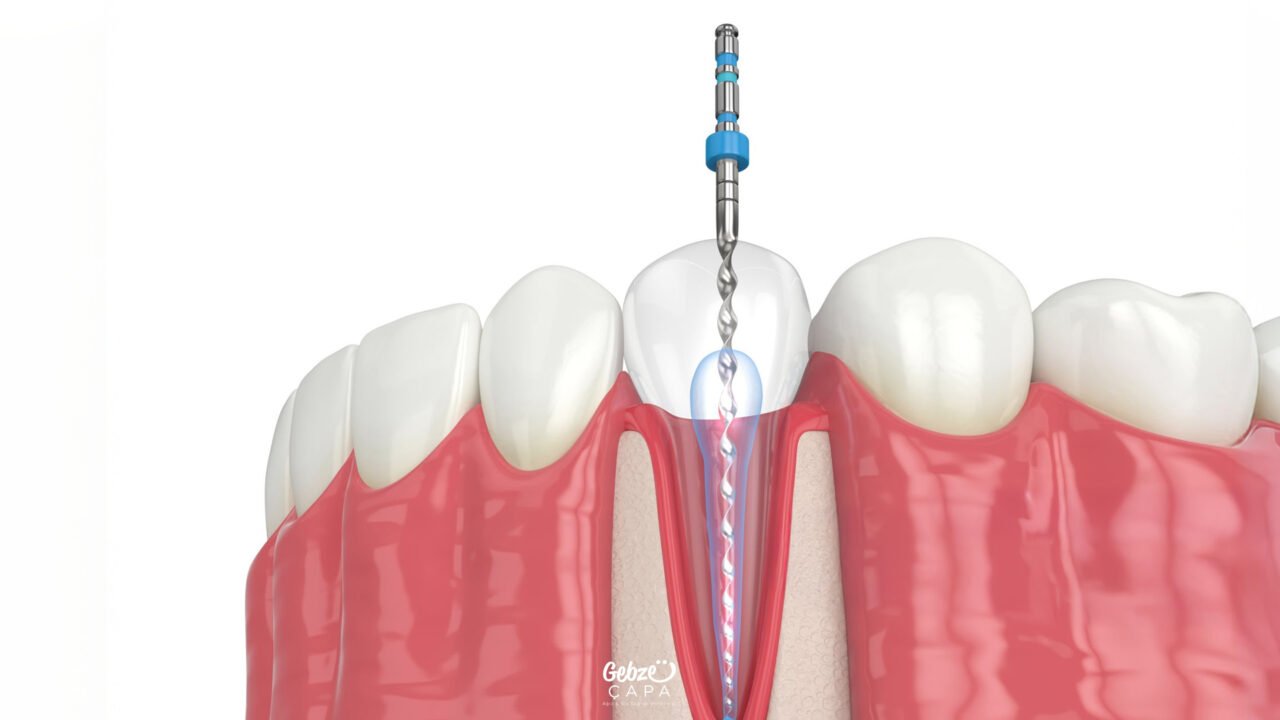
Root canal treatment in primary teeth is a conservative procedure aimed at saving the tooth instead of extracting it. At first, it may sound worrying for parents, but thanks to modern dental techniques, this procedure can be performed in a very comfortable way for children. When done at the right time, root canal treatment not only relieves the child’s pain but also allows the tooth to continue performing its natural functions.
What Are Primary Teeth?
Primary teeth are the first set of teeth in a child’s mouth and usually begin to erupt around 6 months of age. They are completed over time and result in a total of 20 teeth by around 2.5–3 years of age. Although many people think of them as “temporary,” their role is much more significant than that.
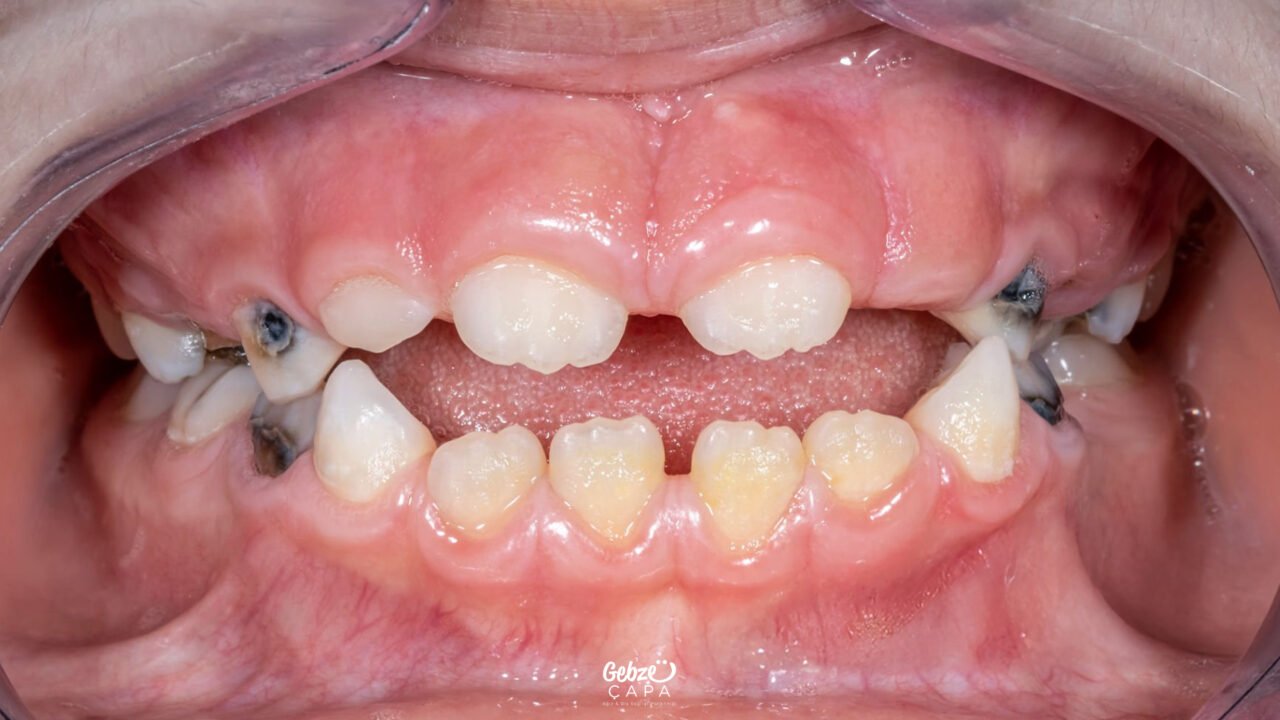
Children use these teeth actively while eating, learning to speak, and even smiling. In daily life, they are constantly in use. One of their most important functions is to preserve the space needed for permanent teeth. If a primary tooth is lost too early, neighboring teeth may shift into the empty space, potentially causing crowding and alignment problems in the future.
What is Root Canal Treatment?
Root canal treatment is a procedure used when the inner part of the tooth, known as the “nerve” in everyday language, becomes inflamed. This condition usually occurs due to deep cavities or trauma, which can eventually lead to pain, sensitivity, and even infection. At this point, root canal treatment becomes necessary.
During the procedure, the infected or damaged tissue is carefully removed. The inside of the tooth is then disinfected with special solutions to eliminate bacteria. Finally, the space is filled with appropriate filling materials, sealing the tooth. This helps preserve the tooth and prevents further infection.
The main goal of root canal treatment is simple: to save the tooth instead of extracting it. It is essentially a restorative and protective procedure. When performed correctly, it relieves pain and allows the tooth to remain functional and healthy for a long time.
Why is Root Canal Treatment Needed in Primary Teeth?
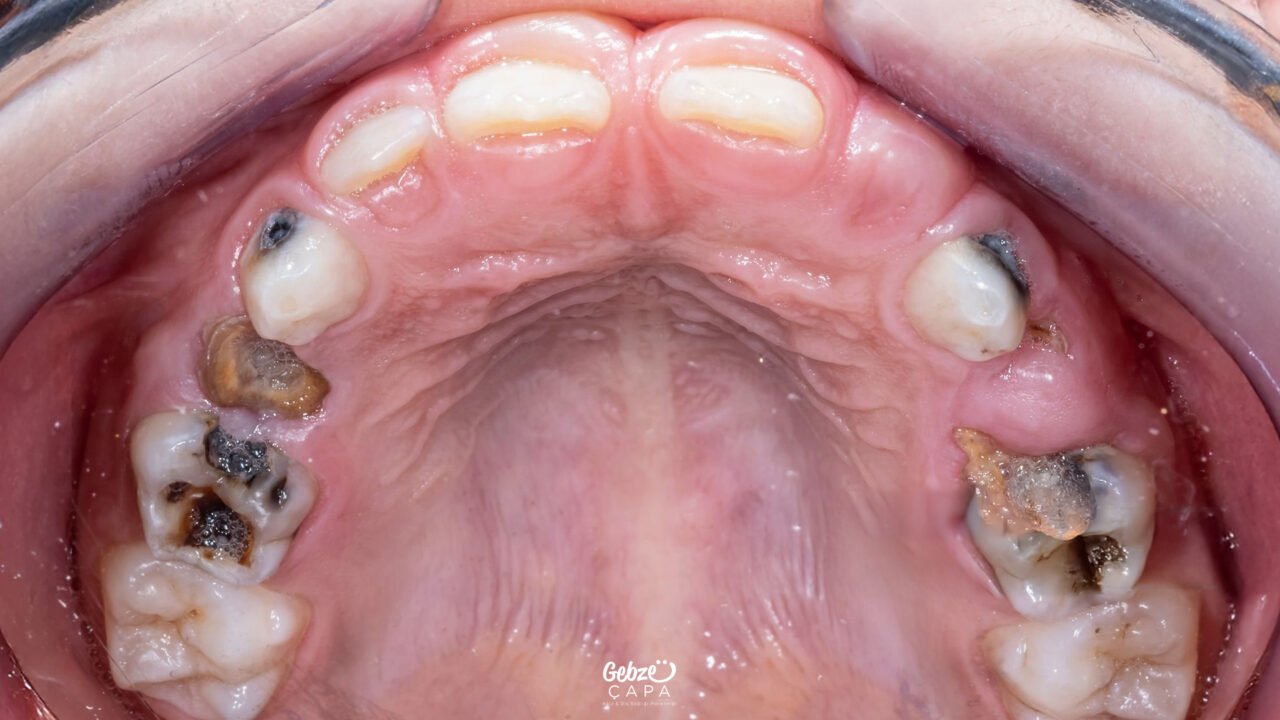
One of the main reasons root canal treatment is needed in primary teeth is that cavities progress very quickly in children. Since primary teeth have a thinner and more sensitive structure compared to permanent teeth, even a small cavity can reach the inner layers of the tooth in a short time. This means that by the time the problem is noticed, it may already be quite advanced.
As the decay reaches the inner part of the tooth, children often start experiencing noticeable symptoms. Toothache is the most common one and can gradually affect their daily life. Sensitivity to hot or cold foods and drinks, night pain that wakes the child up, and sometimes swelling or infection in the gums may also occur.
These symptoms indicate that the nerve tissue of the tooth is affected. At this stage, root canal treatment becomes one of the most effective ways to save the tooth and relieve the child’s pain. The goal is not only to eliminate pain but also to preserve chewing function and maintain the space required for permanent teeth.
Why Treat a Tooth That Will Fall Out Anyway?
This is a very common belief, but unfortunately, it is misleading.
When a primary tooth is extracted too early, the space it occupies does not remain empty. Adjacent teeth tend to shift into that space, which reduces the room available for permanent teeth. This can lead to crowding, misalignment, and the need for orthodontic treatment in the future.
With root canal treatment, the tooth can be preserved and continue to function normally. In other words, it is not just about saving a tooth—it is about protecting the child’s future oral health.
How is Root Canal Treatment Performed in Primary Teeth?
Root canal treatment in primary teeth may look complex from the outside, but it is actually a well structured and child friendly procedure. Many parents worry that it will be painful or difficult for their child, but in modern dentistry, it is usually completed very comfortably.
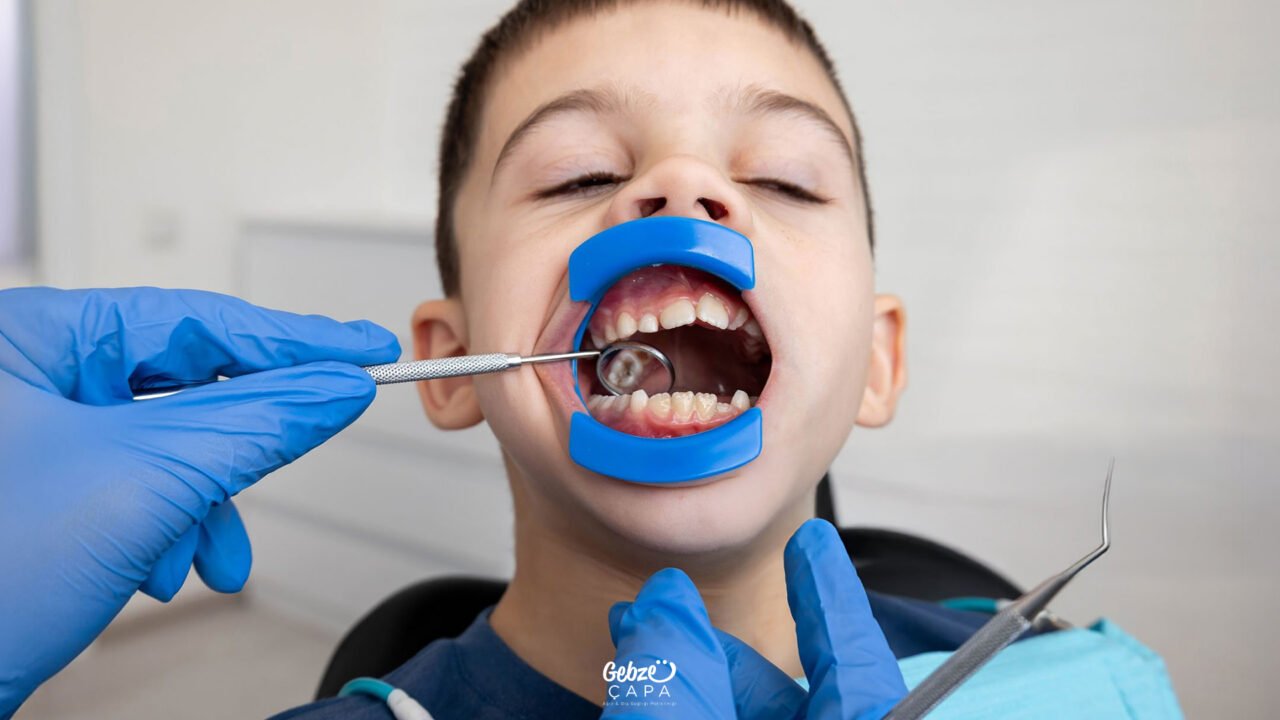
First, the tooth is completely numbed using local anesthesia, so the child does not feel any pain during the procedure. Then, the decayed area is cleaned, and the infected tissue inside the tooth is carefully removed. This step is crucial as it eliminates the source of pain.
Next, the inside of the tooth is disinfected with special solutions to ensure no bacteria remain and to prevent reinfection. After that, the space is filled with suitable dental materials and sealed. In some cases, a protective crown may be placed to strengthen the tooth.
Throughout the process, pediatric dentists focus on making the child feel safe and comfortable. With simple explanations, a calm approach, and a reassuring environment, the procedure is often much easier and smoother than parents initially expect.
What Should Be Considered After Treatment?
After root canal treatment, there are usually no serious complications for children or parents to worry about. Mild sensitivity or an unusual feeling in the area during the first few days is completely normal and typically resolves on its own.
The most important thing during this period is maintaining good oral hygiene to ensure the lonf term success of the treatment. Regular brushing habits should continue, as neglecting care may still lead to new problems even in a treated tooth.
In addition, limiting sugary and sticky foods is very important. These types of foods increase the risk of cavities, especially in children, so they should be consumed with caution. Avoiding hard foods for a short time after treatment also helps the healing process feel more comfortable.
One of the most important steps is regular dental check ups. The condition of the tooth can only be properly monitored through consistent follow ups. In short, root canal treatment alone is not enough; real success comes with proper aftercare.
Periodontist Miraç Elbir