

How Is an Impacted Tooth Extracted?
Impacted tooth extraction—especially when it comes to wisdom teeth—is a phrase that makes many people feel a slight shiver inside. The “When they pulled my wisdom tooth, this happened…” stories we hear from those around us only feed this fear. It’s almost as if everyone has gone through a dramatic experience, and naturally, the mind begins to create its own little scenarios. But the truth is quite different.
When you visit a dentist at the right time and the procedure is performed by an experienced oral surgeon, impacted tooth extraction is far less challenging than you might think. In fact, many people say “Was that it?” once the procedure is over. What truly matters is understanding why impacted teeth occur, when extraction is necessary, and how the process works.
What Is an Impacted Tooth?
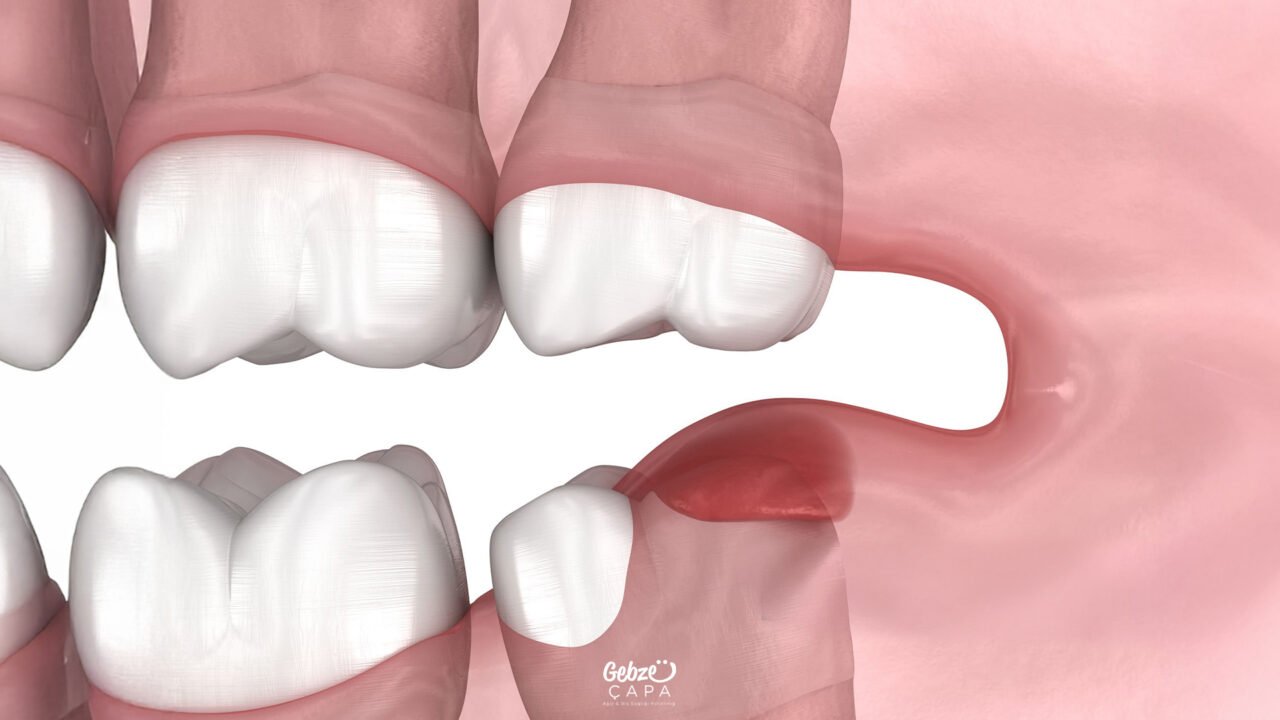
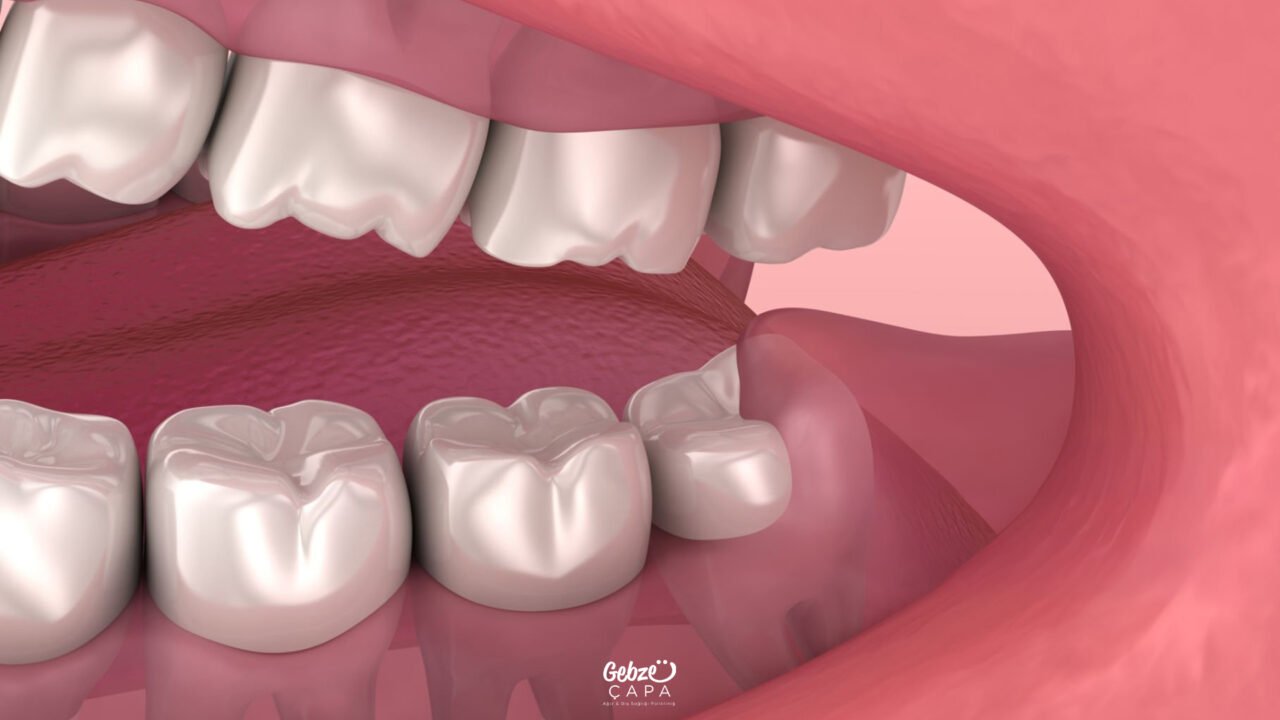
An impacted tooth, simply put, is a tooth that cannot find its proper path to emerge. The tooth wants to come out, but there is an obstacle in front of it or the jaw structure doesn’t provide enough room. In this case, the tooth may remain completely trapped within the jaw or partially erupt and fail to continue.
The most well-known example is, of course, wisdom teeth. For some people, they erupt quietly, barely noticeable. But for many, jaw size, tooth alignment, or certain genetic traits make it difficult for these teeth to fully emerge, causing them to remain impacted. And this is usually where the stories begin.
It’s also important to note that impaction is not exclusive to wisdom teeth. Canine teeth and some others can also become impacted. However, since wisdom teeth cause the most trouble and are discussed the most, they are the first to come to mind.
Why Do Impacted Teeth Occur?
Each of us has a uniquely structured mouth; some people have wider jaws, others narrower, and many teeth develop at slightly different angles. Therefore, there is no single cause for impacted teeth. Instead, several common factors—often connected—come into play.
Narrow jaw structure is one of the most frequent causes. If the jaw is small, there is limited space for the teeth to align. When wisdom teeth finally decide to appear, there may simply be no room left, causing them to get stuck and remain impacted. The tooth wants to emerge, but the jaw simply doesn’t give it a place to go.
Another cause is incorrect tooth angulation. Some wisdom teeth grow sideways instead of upright, and some even progress nearly horizontally. In such cases, the gum and bone keep the tooth covered, preventing it from reaching the surface.
Genetic factors also play a major role. If someone in your family has had issues with impacted teeth, your likelihood increases. Jaw structure, tooth alignment, and eruption tendencies are often inherited traits.
Another contributing factor is crowding or misalignment of the teeth. If there is an orthodontic irregularity, some teeth may not find the proper eruption path. And if the area where a wisdom tooth is supposed to come in is already narrow, its emergence becomes naturally difficult.
What Are the Symptoms of an Impacted Tooth?
Impacted teeth can remain silent for years—you might not even notice them as they quietly sit within the jaw. But in many cases, the body eventually sends signals indicating that something is not quite right. These signals usually appear as mild discomforts.
One of the most common symptoms is a throbbing pain in the back of the jaw. You may notice increased sensitivity while chewing, eating, or even at night. For some, the pain becomes strong enough to make opening the mouth difficult.
Swelling, redness, and tenderness in the gums are also common. Due to the pressure caused by the tooth trying to emerge, the area may feel slightly raised or swollen. Feeling pain when pressing on the area is completely normal.
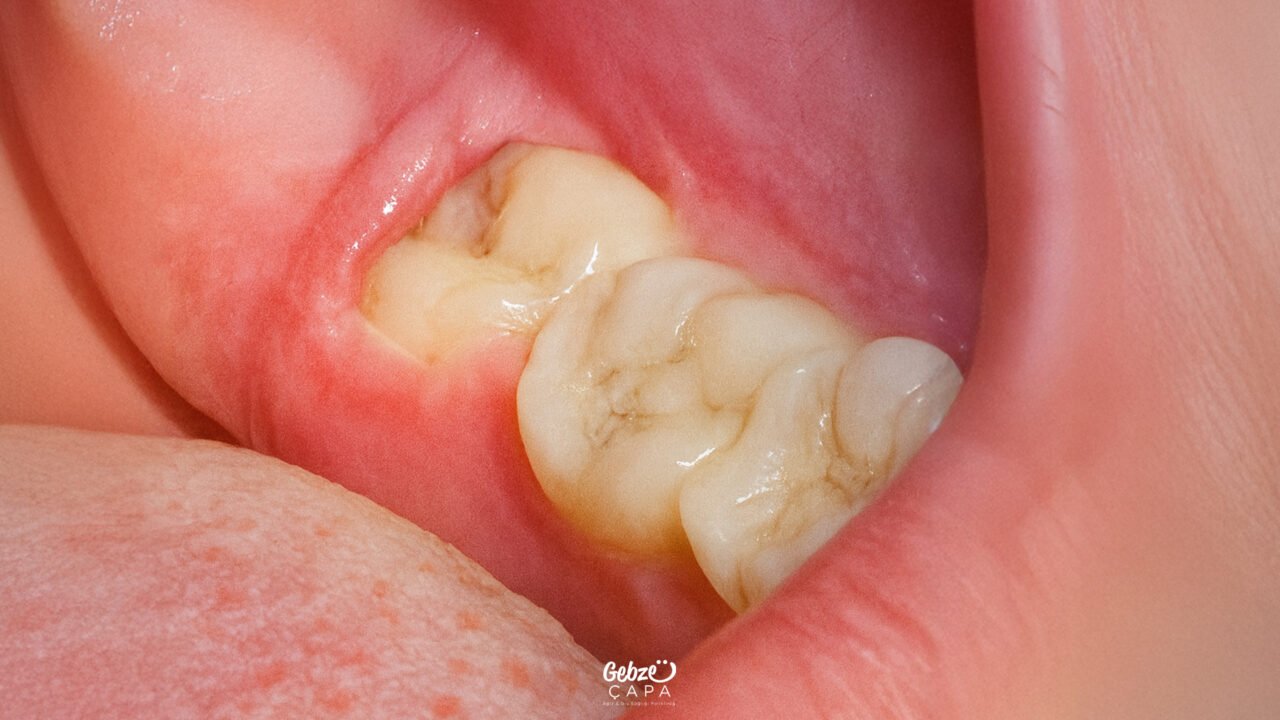
Another symptom many overlook is bad breath. Especially in partially impacted teeth, a small gum “flap” creates a space where bacteria can easily accumulate. This can cause both bad breath and an unpleasant taste.
Some individuals may also experience sensitivity to hot or cold, a slight pressure while swallowing, or pain radiating to the ear or head. Since the wisdom tooth area lies very close to the nerves, pressure here can radiate to different regions.
What Happens If Impacted Teeth Are Not Extracted?
Even if an impacted tooth is not causing pain, that does not mean it is harmless. The idea of “It’s not bothering me, so I’ll just leave it alone” is unfortunately not accurate in most cases. A tooth that remains trapped inside the jaw can cause recurring gum infections, decay in neighboring teeth, or even bone loss over time. It may also alter the alignment of the teeth due to pressure, leading to crowding in the lower jaw. In more serious cases, cysts, abscess formation, or jaw pain may occur.
This is why regular dental check-ups are crucial, whether you have impacted teeth or not. Even teeth that show no signs from the outside may reveal significant issues in an X-ray.
How Is an Impacted Tooth Extracted?
Impacted tooth extraction is actually much more comfortable than many imagine. First, an examination is performed, and the position of the tooth, its proximity to nerves, and the bone structure are assessed using a panoramic X-ray or, if necessary, a 3D scan. The area is then numbed with local anesthesia, ensuring that no pain is felt during the procedure.
If the tooth is fully impacted, a small incision is made in the gum to access it, and in some cases, a small amount of bone is removed. If the tooth is positioned favorably, it can be extracted in one piece; if it is large or angled, it may be divided into smaller sections and removed that way. Finally, the area is closed with stitches and the procedure is complete.
Does Impacted Tooth Extraction Hurt?
Contrary to what most patients believe, here is a reassuring answer:
No, you will not feel pain during the procedure.
With proper conditions and effective anesthesia, you may only feel slight pressure or movement. After the procedure, mild discomfort may occur, but it is usually manageable with pain relievers. For more information or to book an appointment, feel free to contact us.