


Dental Treatment With Sedation
Dental treatment under sedation offers a relaxing solution, especially for those who prefer not to experience pain, fear, or stress during the procedure. Performed under sedation or general anesthesia, this procedure either induces a deep state of calm or puts the patient completely asleep. This allows them to feel nothing throughout the procedure and remember most details at the end. In short, it provides a treatment experience that is both comfortable and safe.
The very thought of going to the dentist can cause anxiety for many people today. For children, individuals with special needs, those who have had a bad experience in the past, or patients who need multiple procedures performed simultaneously, this method offers a truly convenient solution. Sedation treatment provides a sense of security, and procedures that might otherwise take longer can be completed in one go, effortlessly.
This approach transforms dental treatments from a nightmare into something more accessible, calmer, and more person-centered. It’s no exaggeration to say that it offers a level of comfort that makes you wish all procedures were like this.
What are the Differences Between Sedation and General Anesthesia?
Sedation is a procedure in which the patient enters a state of deep relaxation and semi-sleep, rather than being fully asleep. During this procedure, the patient may faintly hear what’s happening around them but doesn’t experience any discomfort, fear, or pain. It’s particularly preferred for short- and medium-term dental treatments to increase patient comfort. One of the greatest advantages of sedation is that consciousness isn’t completely lost and recovery time is faster. It’s a very effective solution for adults with dental phobia, those with a strong nausea reflex, or those who simply feel uncomfortable during treatment.
General anesthesia, unlike sedation, is a procedure in which the patient is completely asleep, unconscious, and all reflexes are controlled. During this procedure, the patient hears, feels, and interacts with the environment in no way. General anesthesia is generally preferred for long-term, complex, or difficult-to-bear procedures. It is an ideal option, especially for young children, individuals with disabilities, those with severe dental phobia, or those who cannot keep their mouths open for extended periods. It ensures safe, rapid, and trouble-free treatment.

While both methods aim to increase patient comfort, they differ significantly in their intended use and depth. Sedation provides milder relaxation, while general anesthesia offers a completely controlled state of sleep. The appropriate method is determined based on the patient’s needs, the duration of the procedure, and the dentist’s assessment.
Who is Suitable for?
Sedation dental treatment is an extremely comfortable method that is safely preferred by many different patient groups. It provides significant relief, especially for adults who experience intense anxiety, increased heart rate, or difficulty completing treatment due to stress when sitting in the dentist’s chair. With sedation or general anesthesia, the patient feels no tension during the procedure, and the treatment is completed much more smoothly.
This method is also a highly suitable solution for children. For young children who cannot tolerate long treatments, have difficulty maintaining their mouth open, or are easily affected by the environment, sedation therapy offers a safe and effective alternative. This makes the process much smoother for both the child and the family.
Individuals with special needs also benefit significantly from this method. For patients who have difficulty controlling their movements due to autism, intellectual developmental delays, or similar conditions, sedation therapy allows the dentist to work more comfortably and complete the procedure safely.
It also offers a significant advantage for patients requiring multiple procedures in the same session. Many different procedures, such as fillings, extractions, and root canals, can be completed in a single visit, saving the patient both time and energy.
For those with excessive gag reflexes, sedation therapy offers a real source of comfort. For these patients, who would normally be unable to undergo the procedure due to the discomfort caused by the instruments in their mouth, sedation allows for seamless treatment.
Advantages of Anesthesia Dental Treatment
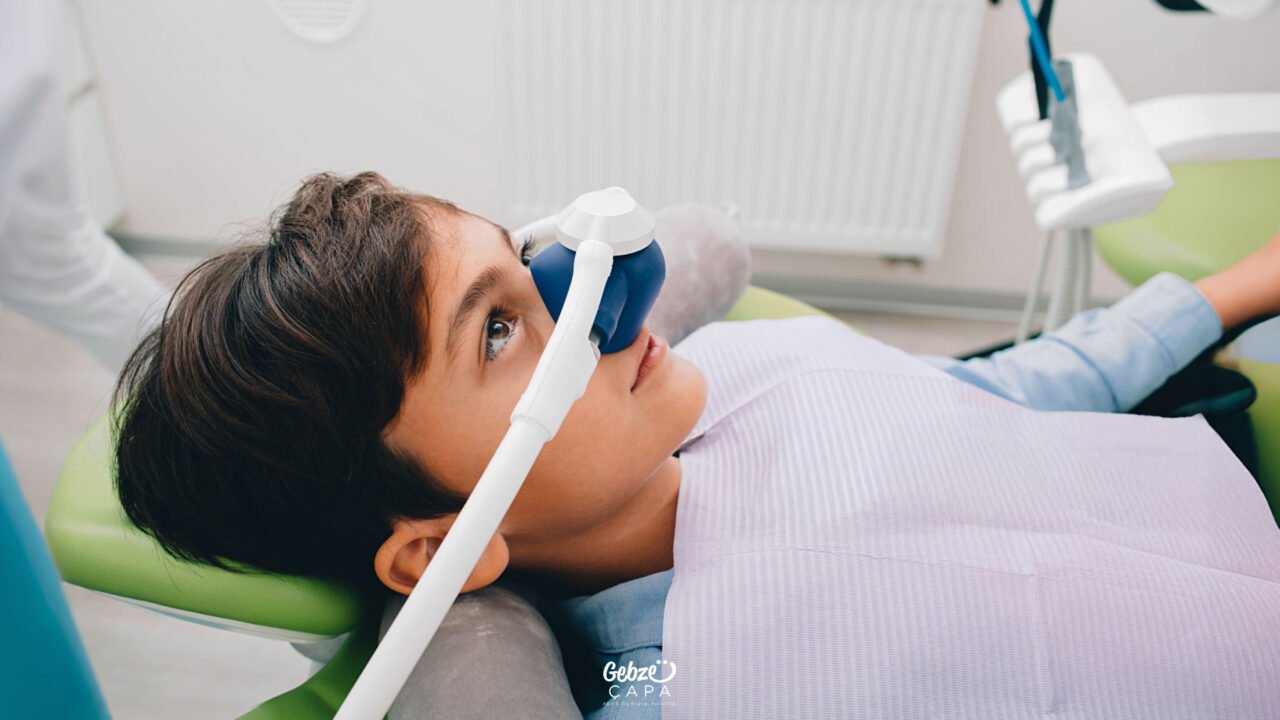
Anesthesia dental treatment offers significant convenience for both the patient and the dentist. One of the most significant advantages is that the patient feels no pain or discomfort throughout the procedure. Because the treatment is completed without fear, anxiety, or stress, the process is extremely comfortable.
This method eliminates the discomfort of potentially disturbing device noises or clinic odors. This makes the treatment much more bearable, especially for those with sensitive skin. Furthermore, if multiple procedures are required, the ability to complete all treatments in a single session offers a significant time advantage. This eliminates the need for repeated visits to the clinic and allows for a quicker completion of the procedure.
The success rate is also quite high in children. A comfortable treatment, without crying, resistance, or fear, reassures both the family and the dentist. Furthermore, sedation helps both adults and children develop a more positive attitude toward the dentist, preventing a negative experience.
How is Sedation Dental Treatment Performed?
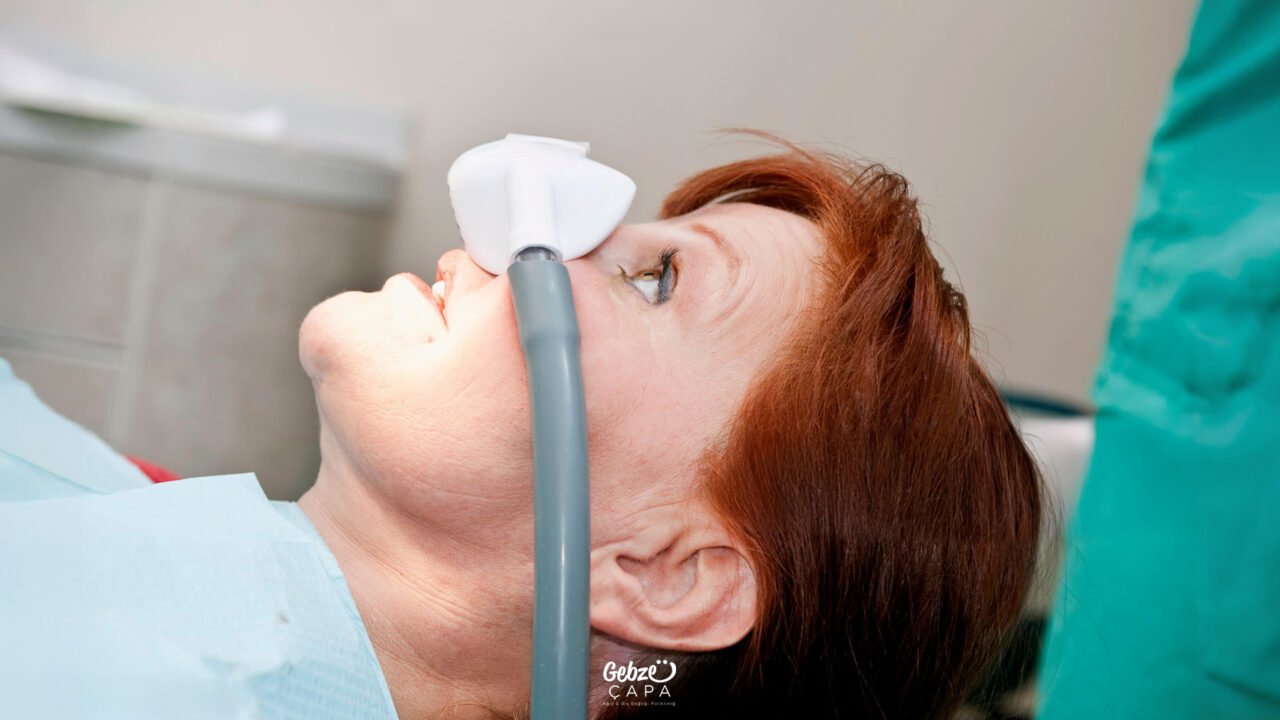
Sedation dental treatment is a highly professional and controlled process. First, your dentist determines the procedures to be performed, while the anesthesiologist evaluates your general condition. On the day of the procedure, you will be asked to fast for a certain period, and the treatment environment will be meticulously prepared. Sedation or general anesthesia will then induce a comfortable sleep, and your vital signs will be continuously monitored by the expert team throughout the procedure.
From this stage onward, all necessary procedures, such as fillings, extractions, root canals, or implants, are performed completely painlessly. At the end of the treatment, you will be awakened in a controlled manner, and after a short rest period, you can generally be discharged the same day.
Sedation Dental Treatment Prices
Sedation dental treatment prices are determined individually, as they vary depending on many factors, including the type of anesthesia used and the number of procedures required. Details such as whether sedation or general anesthesia is used, the duration of treatment, the patient’s age, and any additional procedures required all impact the total cost. Therefore, rather than providing a definitive figure, it’s best to state that the most accurate and up-to-date pricing information can only be determined after an examination.