
What Is Bonding?
Our teeth… probably one of the things we use the most during the day without even realizing it. The moment we wake up and look in the mirror, while talking to someone, laughing, or posing for a photo… our eyes naturally go straight to them. Because our smile is one of the most genuine ways we express ourselves. In fact, many times, a person’s first impression is shaped by their smile.
But the truth is, even the smallest crack, a slight discoloration, or a tiny shape imperfection in a tooth can quietly make you feel uncomfortable. Maybe no one else notices, but you do… and that small detail starts to stick in your mind every time you smile. Feeling the need to hide your smile is actually much more common than people think.
Most of the time, the first thought that comes to mind is: “Do I have to go through long, exhausting, and expensive treatments to fix this?” Honestly, this idea alone keeps many people from taking a step toward improving their smile. Because who wants months of procedures, frequent appointments, and high costs?
But here’s the good news: it doesn’t always have to be that complicated. Sometimes, it’s possible to fix those small imperfections that bother you with a much simpler, quicker, and more comfortable method. And in many cases, you can see a noticeable difference in just a single session.
No exaggerated procedures, no long processes… just the idea of creating a big difference with small touches. A treatment that improves your smile without damaging your teeth, without taking away their natural look, and without putting you through a difficult process.
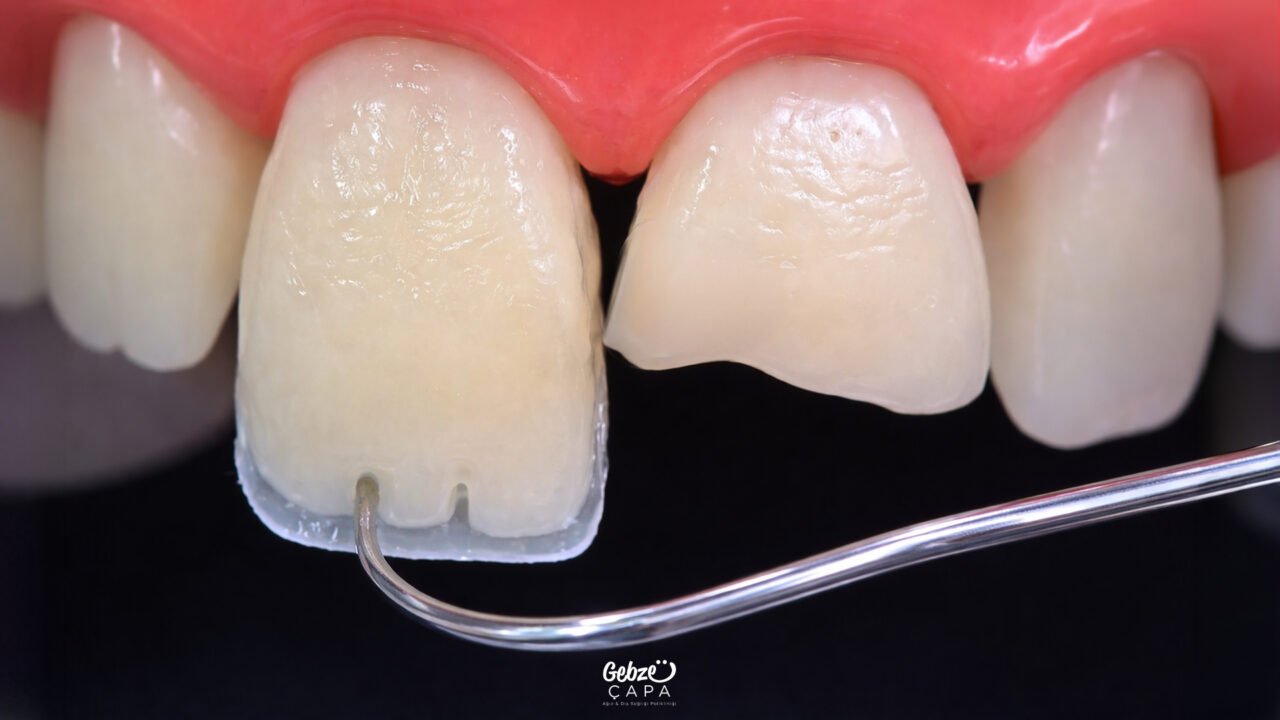
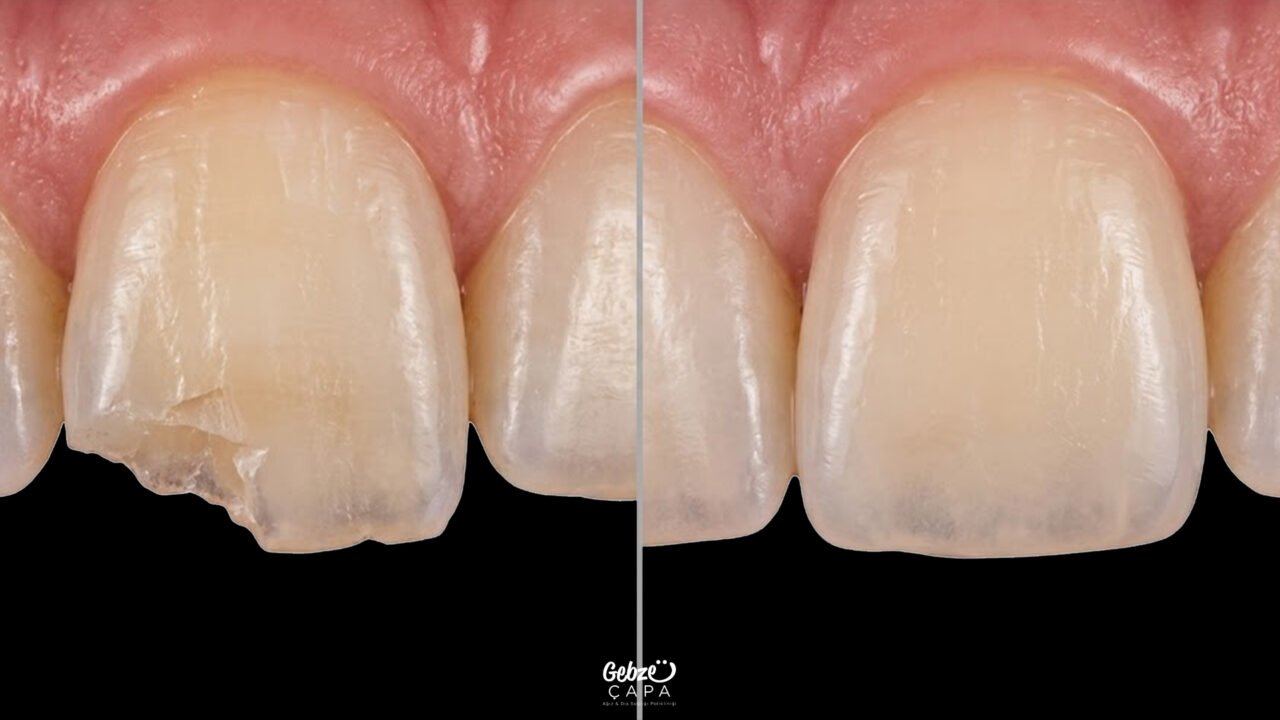
Bonding might sound a bit technical at first, but it’s actually quite simple and surprisingly effective. A tooth colored composite material is applied to the surface of the tooth, helping to improve its shape, color, or size. In other words, it’s a small but noticeable aesthetic touch without the need for major procedures.
You can think of it like a gentle refinement on your tooth small imperfections are carefully corrected. And the best part is, the goal isn’t to make it look “done,” but to keep it as natural as possible. So when someone looks at you, they won’t think “something was done,” they’ll just notice your smile looks better.
Bonding is usually preferred to fix small but noticeable imperfections in teeth. For example:
- Small chips or fine cracks caused by minor impacts,
- Gaps between teeth that bother you,
- Stains or discoloration from coffee, tea, or smoking that don’t easily go away,
- Slight misalignments that aren’t severe but still noticeable,
- Or if some teeth appear a bit shorter compared to others…
One of the most reassuring parts is this: in most cases, no cutting of the tooth is needed. So if you’re worried about damaging your natural teeth, this method is quite comforting. Your natural tooth stays intact, and only a minimal addition is made where needed. This makes the whole process both more comfortable and less stressful.
How Is Bonding Done?
Many people imagine bonding as something complicated: “Does it take long? Will it hurt? Is it difficult?” But in reality, it’s a very simple and quick process. In fact, most people are surprised at how easy it feels once it’s done.
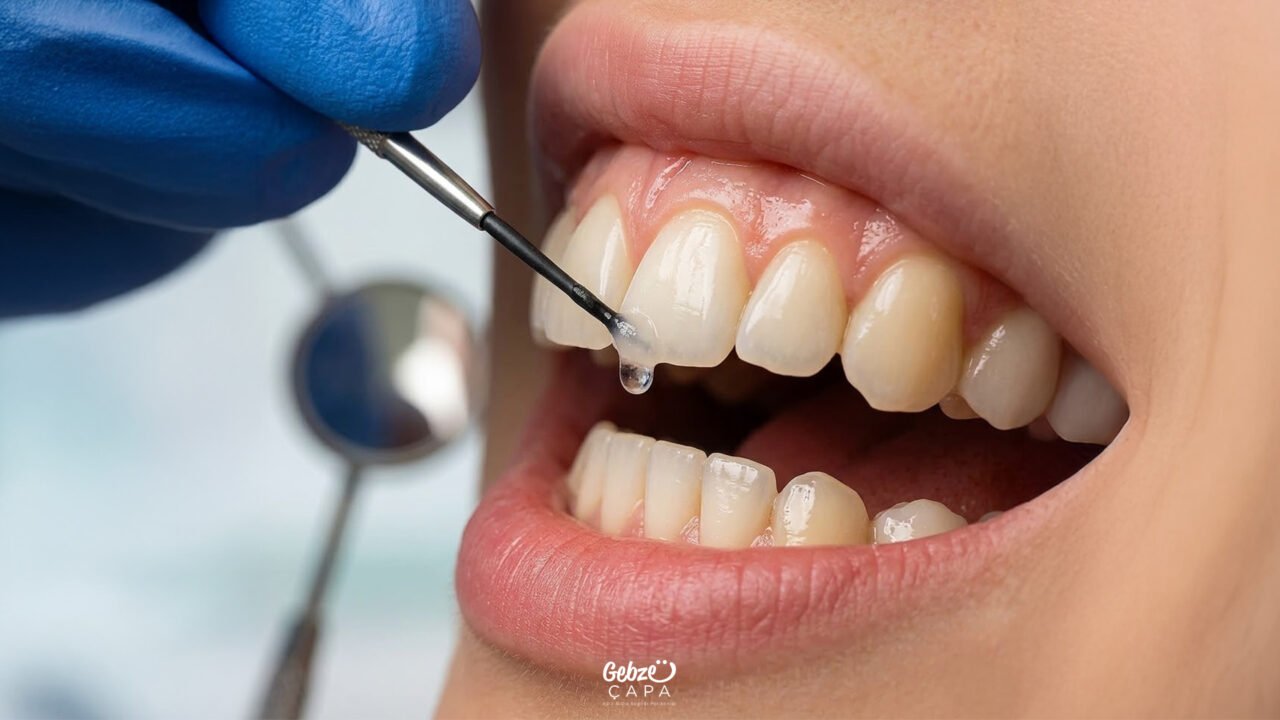
The process usually moves forward in a calm and straightforward way. First, the surface of the tooth is gently roughened. It might sound intimidating, but it’s actually a very light and surface level step. The purpose is simply to help the material bond better to the tooth like preparing a solid base.
Then comes one of the most important steps: choosing the right color. A composite material that closely matches your natural tooth color is selected. Because the key to bonding is its natural look. Not too white, not artificial just a result that blends in perfectly with your own teeth.
After that, the dentist carefully applies the composite material to the tooth. This isn’t done in one go; it’s usually built up layer by layer. Each layer is shaped with care to match the natural form of your tooth. In a way, it’s a bit of an artistic process.
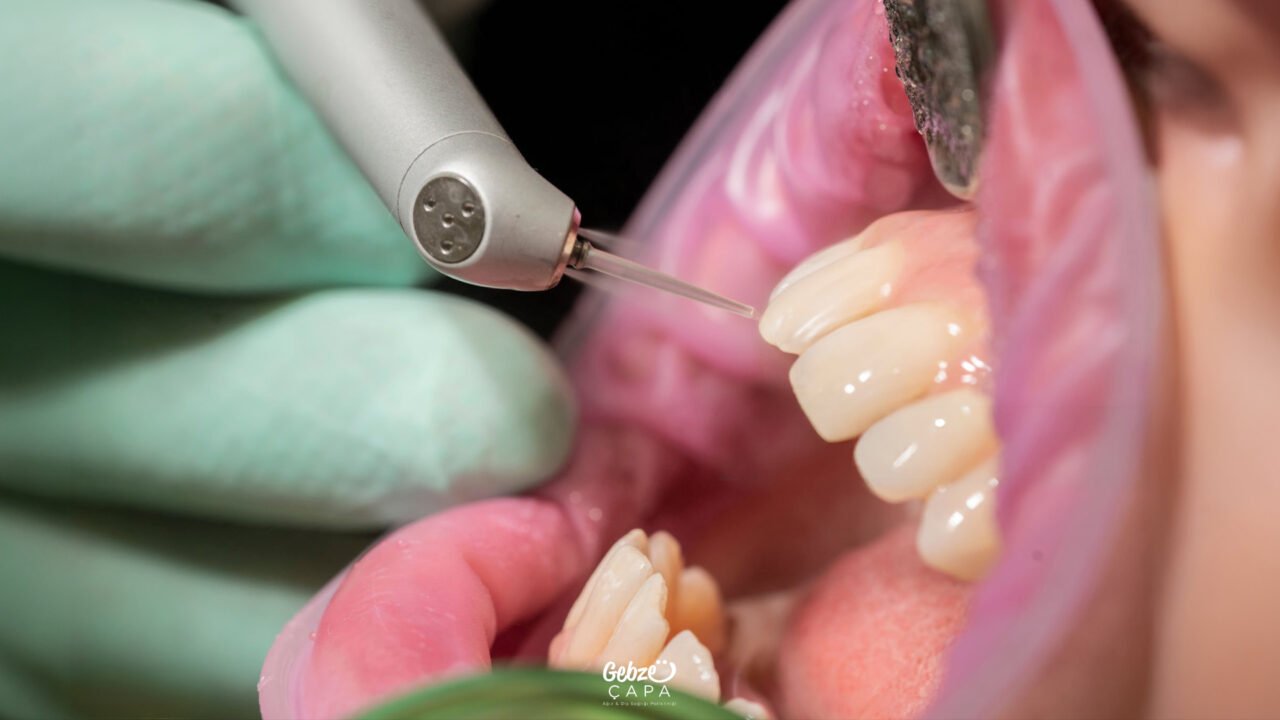
Once the shaping is complete, a special light is used to harden the material, making it durable. Finally, the tooth is polished. This last step gives it that natural shine so the result doesn’t just look neat, but also healthy and vibrant.
One of the best parts is that everything is usually completed in a single visit. No long waiting periods, no repeated appointments. You can walk in and leave the same day with a smile that feels better to you.