

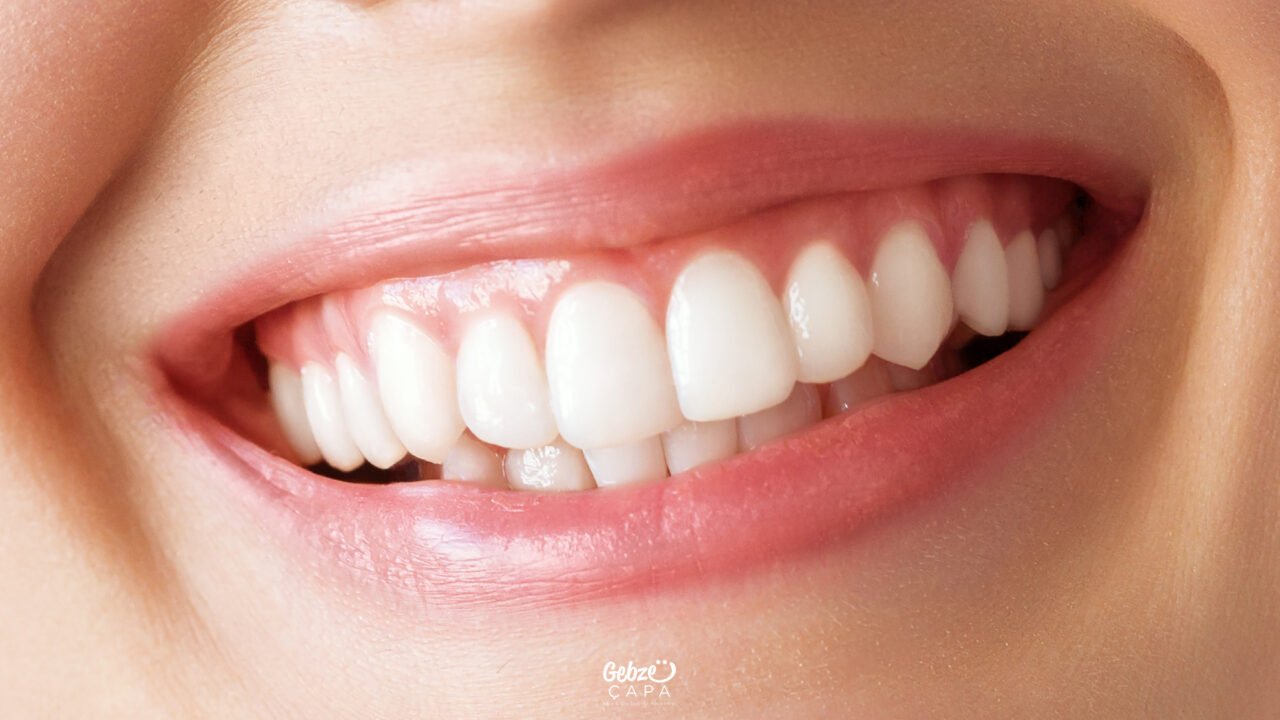
Names of Teeth
The teeth in our mouth often seem like simple tools we only use for eating. But in reality, they do much more than that. They not only help us chew our food, but also make our speech clearer, give character to our smile, and even play an important role in the aesthetics of our face. In short, our teeth are small but vital parts that directly affect our quality of life.
Here’s an interesting fact: each tooth in our mouth has its own name and function. They work like a small team; incisors cut the food in the front, molars grind it down, and canines help us grasp and tear food. This organized teamwork ensures that our chewing works smoothly and our oral health is maintained.
We should think of our teeth not just for eating, but also for maintaining a healthy life and a beautiful smile. Each tooth contributes to maintaining balance in the mouth by performing its specific role. If a tooth is missing or unhealthy, this harmony is disrupted, leading to problems in chewing, speaking, and even appearance.
How Many Teeth Does a Human Have?
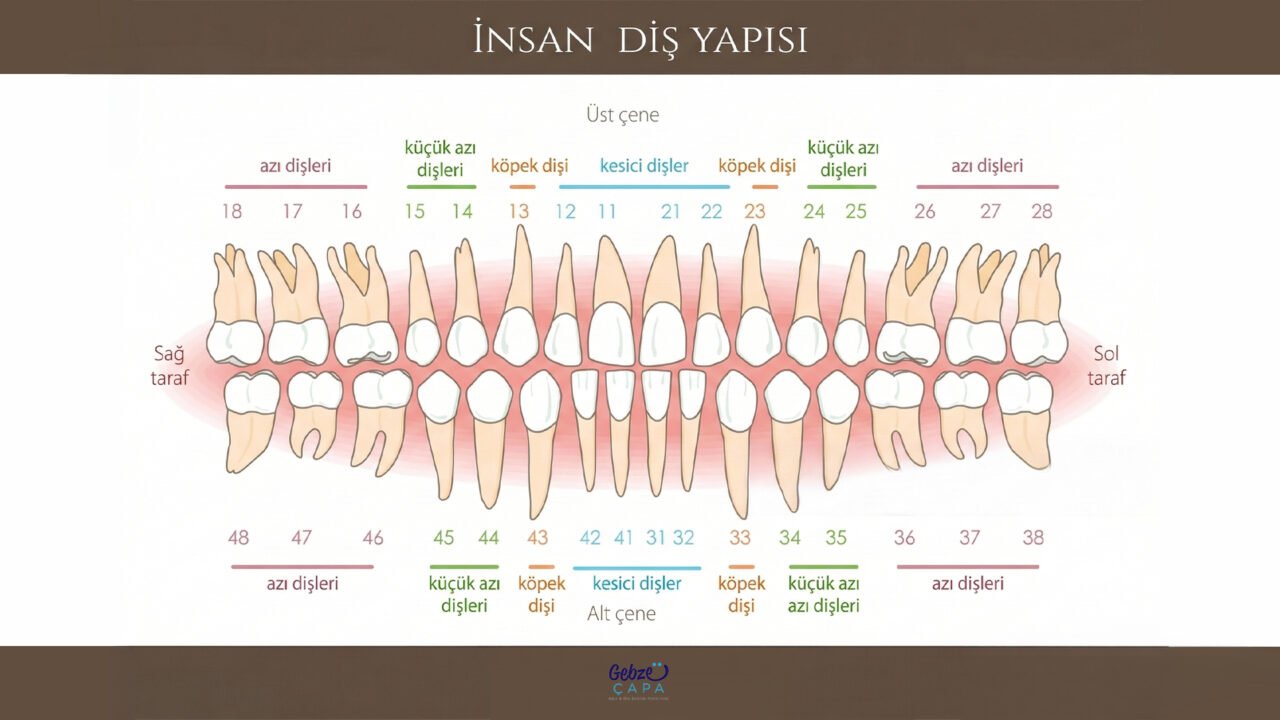
When it comes to oral health, the number and arrangement of teeth are more important than we might think. An adult typically has 32 teeth. They are arranged symmetrically in the upper and lower jaws, and each has its own specific function.
In children, the situation is slightly different. They usually have 20 primary (baby) teeth. As children grow, these teeth gradually fall out and are replaced by permanent teeth. This transition is a critical period for the development of the mouth and jaw.
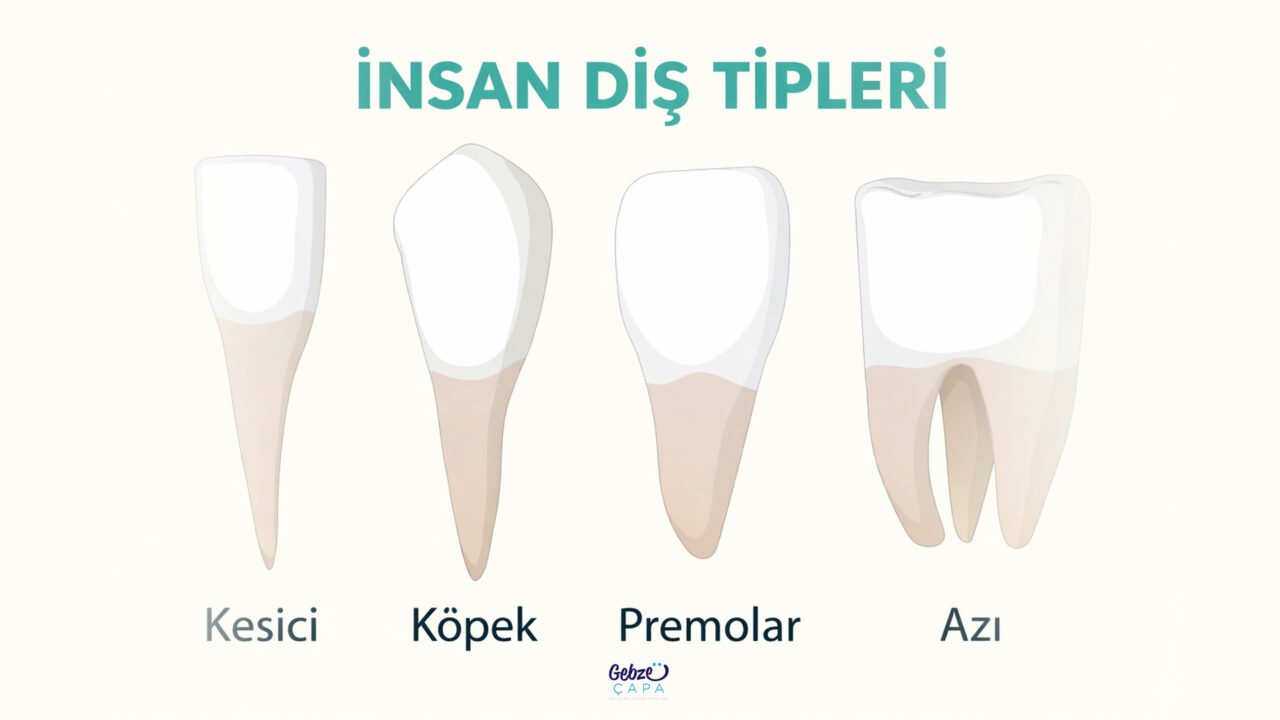
Teeth are not randomly placed in the mouth; they are carefully arranged in a specific order. This arrangement is important for chewing, speaking, and the aesthetics of the face. For this reason, teeth are grouped into four main categories:
-
Incisors: The front teeth responsible for cutting food.
-
Canines: Pointed teeth that help grip food and support the chewing process.
-
Premolars: Begin grinding food and break it into smaller pieces.
-
Molars: Handle the heavy work of chewing and fully break down food for digestion.
Now, let’s take a closer look at these four groups of teeth and discover the importance of each in our mouth.
Incisors (Front Teeth)
The incisors at the very front of our mouth are very important both functionally and aesthetically. There are eight incisors in total: four in the upper jaw and four in the lower. As the name suggests, their main job is to cut and bite food. For example, when you bite into an apple or take the first bite of a sandwich, it’s your incisors that do the work.
Some key features of incisors include:
-
They have a thin, flat structure
-
Their sharp edges make cutting food easy
-
They are the most visible teeth when smiling
For this reason, in cosmetic dentistry, incisors often receive the most attention. When a person smiles, these teeth are the first to be noticed, and the harmony of the smile largely depends on them.
Canines
The teeth located just beside the incisors are called canines. In medical terms, they are sometimes referred to as “canine teeth.” There are four canines in total: two in the upper jaw and two in the lower jaw.
The most notable feature of canines is their pointed and strong shape. They play a major role in tearing and breaking down tougher foods, such as meat. So, when eating, especially with firmer foods, your canines are at work.
Canines are not only strong but also among the most durable teeth in the mouth. Their roots are long and firmly anchored in the jawbone, making them important reference points in orthodontic treatments. Another interesting fact is their role in aesthetics: canines support the shape of the lips and cheeks, helping maintain the contours of the face.
Premolars
Located just behind the canines, premolars are also known as “bicuspids.” There are eight premolars in total: four in the upper jaw and four in the lower jaw.
Premolars serve a dual function: they cut and grind food, acting as a bridge between the incisors and molars. Their slightly ridged surfaces help break down food during chewing. They are especially active when chewing vegetables, fruits, and bread, and they also help balance the force in the jaw.
Molars
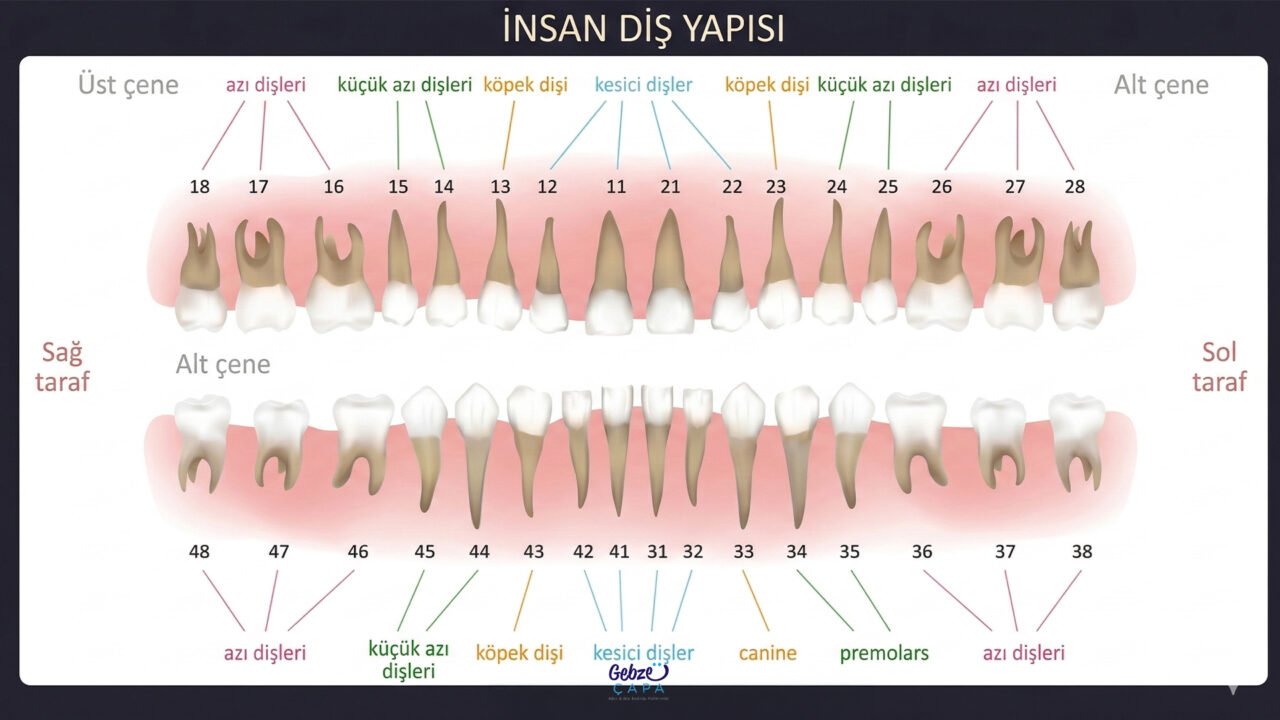
Molars, located at the back of the mouth, are the strongest members of the chewing system. There are 12 molars in total, including the well-known wisdom teeth.
The main function of molars is to thoroughly grind food and make it ready for digestion. Their broad chewing surfaces and ridges make it easier to break down food. Molars often have multiple roots and carry the majority of chewing force.
However, being at the very back makes them a bit harder to clean, so they are more prone to cavities than other teeth. For this reason, caring for your molars is very important for oral health.
What Are Wisdom Teeth?
The teeth at the very back of the molars are commonly called wisdom teeth. They usually erupt between ages 17 and 25. Some people may never develop them, while in others they remain impacted due to insufficient jaw space.
Wisdom teeth can sometimes cause issues such as:
-
Pain
-
Swelling
-
Jaw stiffness
-
Pressure on other teeth
In such cases, dentists may recommend removal of the wisdom teeth.
Tips for Maintaining Healthy Teeth
Knowing the names of your teeth is important, but keeping them healthy is even more critical. Daily oral care should be a priority.
Some simple habits can help maintain healthy teeth:
-
Brush at least twice a day: Brushing gently in the morning and evening helps prevent plaque buildup.
-
Use dental floss: Flossing effectively removes food particles stuck between teeth.
-
Limit sugary foods: Excess sugar can lead to cavities.
-
Regular dental check-ups: Visiting your dentist at least twice a year helps detect problems early.
-
Don’t forget to clean your tongue: Bacteria on the tongue can cause bad breath and other dental issues.
These simple but effective habits go a long way in keeping your teeth healthy and strong for years to come. Remember, taking care of your teeth is essential not just for your smile, but for your overall health as well.