

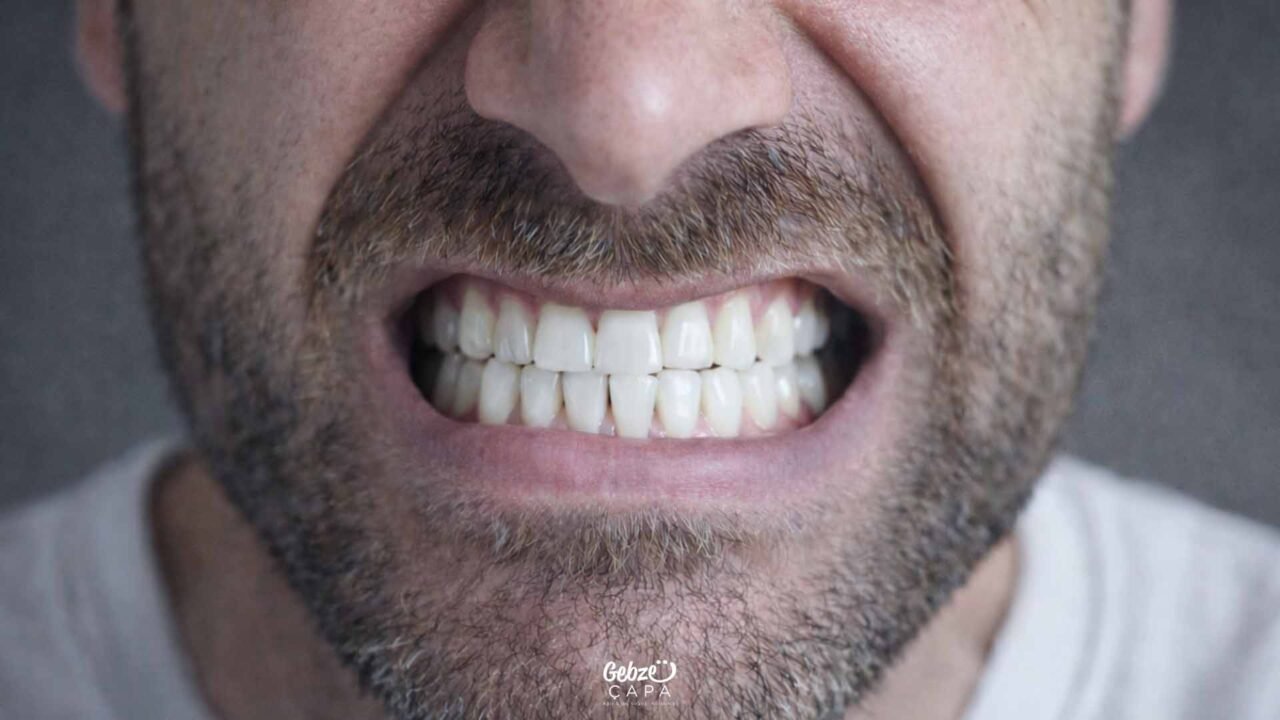
What Is Teeth Grinding? The Cry of Your Teeth
When everyone has fallen asleep and the night is quiet, there it is—that faint, unsettling sound in the room… Maybe your spouse notices it first, or maybe it’s the strange heaviness in your jaw when you wake up that whispers something isn’t quite right. You look in the mirror and everything seems normal, yet there’s that sensitivity when you chew, a dull ache resting at your temples, or the surprise you feel when someone tells you that you clench your teeth during the day without even realizing it. That’s exactly how teeth grinding shows up in your life quiet, but powerful.
Medically known as bruxism, this condition is far more common than most of us think. Many people have no idea they clench or grind their teeth at night because it usually happens during sleep. While your mind is resting, your body may still be processing things in its own way. The tightness in your jaw when you wake up, the pressure near your ears, or the ache spreading toward your temples these can all be traces left behind from the night before.
What’s even more interesting is that it doesn’t only happen at night. You might also be clenching your teeth during the day without noticing. While working at your computer, sitting in traffic, having a stressful phone call, or focusing intensely on something… your jaw muscles quietly engage, and your teeth press together without you realizing it. These small, repeated pressures may seem harmless at first, but over time they can lead to enamel wear, sensitivity, and even jaw joint problems.
Teeth grinding is often seen as “just a dental issue.” But when you look a little deeper, you begin to see a bigger picture. Stress, anxiety, unspoken frustration, a heavy workload, constant responsibility… Some of the emotions we carry during the day can surface at night. Sometimes the body expresses what we cannot put into words. And the jaw is one of the most common places where that tension settles.
Maybe life has felt more intense lately. Maybe your mind rarely slows down. Maybe you’ve been trying to keep everything under control and, without noticing, you’ve been tightening up inside. In that sense, teeth grinding can feel like an alarm small, but persistent. A quiet signal asking for your attention.
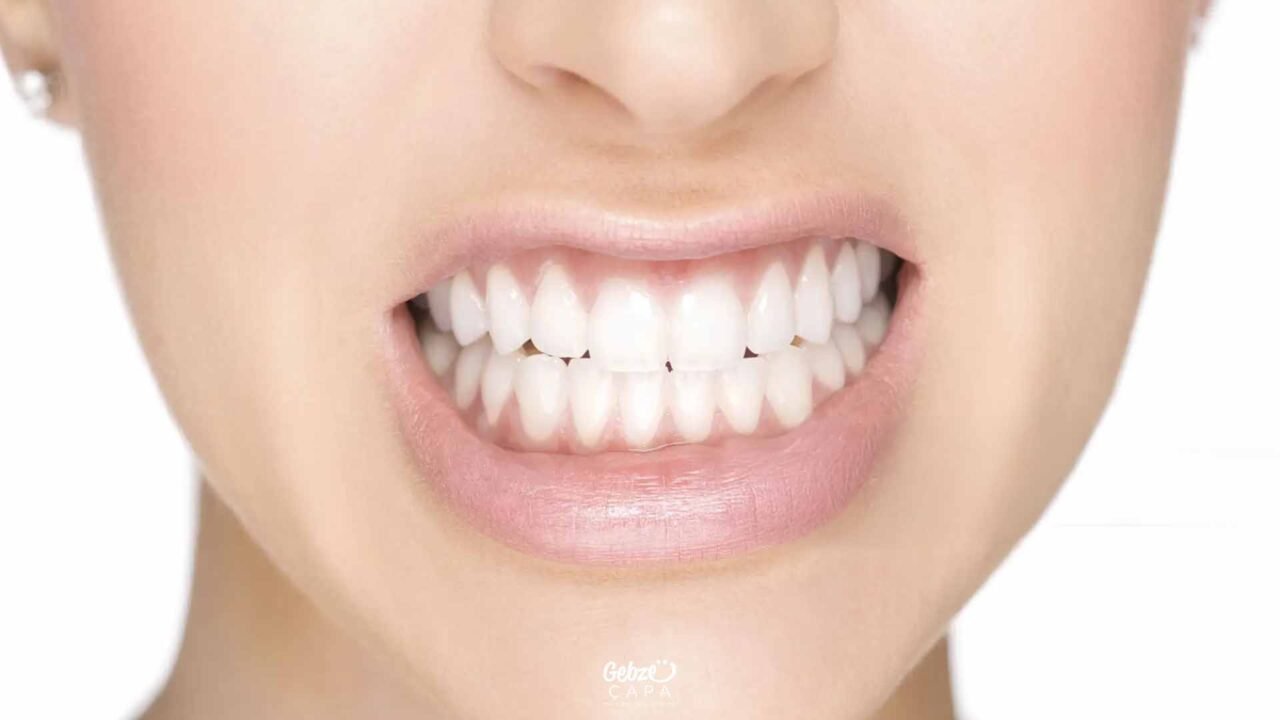
What Is Teeth Grinding (Bruxism)?
Teeth grinding, or bruxism, is often a habit we don’t even realize we have. It’s the unconscious clenching or grinding of the teeth. We don’t choose to do it. In fact, many of us would say, “I’m not doing that.” Yet our jaw and teeth may be telling a different story.
Bruxism generally appears in two forms: one that happens at night while you’re asleep, and another that occurs during the day while you’re fully awake.
The nighttime type is especially sneaky because it happens while you’re asleep. You’re completely unaware of it. But if someone is nearby, they may hear that subtle grinding sound. Often it’s a partner or family member who notices first. If you wake up with jaw fatigue, mild pressure at your temples, a headache, or increased tooth sensitivity, it may be a sign that your jaw didn’t truly rest during the night it kept working while you slept.
Daytime bruxism is more subtle but actually very common. While concentrating at your computer, waiting in traffic, feeling frustrated during a phone call, or simply zoning out… you may suddenly notice your teeth tightly pressed together. Your jaw muscles feel tense. Over time, this can become so habitual that it feels normal. Many people only realize they’ve been clenching when someone points it out.
Here’s the important part: bruxism may look like a dental problem, but it’s often deeply connected to emotions. Stress, anxiety, bottled-up anger, a strong sense of responsibility… The weight we carry during the day can show up in our jaw at night. The body speaks quietly. And the jaw muscles are often fluent in that language.
Why Does Teeth Grinding Happen?
There isn’t just one single cause. Usually, several factors come together. The most common one is stress. We may say, “I’m fine,” but suppressed frustration, unspoken worries, deadlines, and responsibilities accumulate somewhere inside us. Even when the mind tries to ignore it, the body doesn’t. People who are perfectionists, highly responsible, or naturally anxious may be more prone to holding tension in their jaw. Sometimes we truly believe we’re not stressed yet waking up with jaw pain tells a more honest story.
Sleep quality also plays a role. If your sleep is disrupted, not deep enough, or affected by an underlying issue like sleep apnea, muscle activity can increase. In other words, it’s not only about what happens during the day the quality of your night matters too. Instead of resting, the jaw muscles may remain active.

In addition, misalignment between the upper and lower teeth, jaw joint issues, or certain structural differences can contribute to clenching. Daily habits also matter. Excessive caffeine, smoking, and alcohol can increase muscle activity. Especially drinking coffee late in the evening may make nighttime grinding more likely by keeping the jaw in a heightened state of tension.
What Are the Symptoms of Teeth Grinding?
Teeth grinding often progresses quietly. It doesn’t appear overnight; it sends subtle signals. But we tend to blame those signals on other things. If you wake up with jaw pain, feel as though you’ve been chewing gum all night, notice a throbbing sensation at your temples, or start your day with an unexplained headache, your jaw may be trying to tell you something.
Tooth sensitivity is another common sign. A sudden sting when drinking something cold, visible wear on the tooth surfaces, or a sense that your teeth look shorter over time… These changes can develop gradually and feel “normal.” Yet repeated pressure during the night slowly wears down the enamel. Clicking sounds when opening your mouth, pain around the ears, and even stiffness in the neck and shoulders may accompany this. The jaw muscles don’t work alone they’re part of a larger muscular chain connected to the neck and shoulders.
If you frequently wake up with headaches and can’t explain why, it may be worth considering teeth clenching instead of blaming your pillow or lack of sleep. Sometimes the source of the problem is closer than we think.
What Can Happen in the Long Term?
It’s easy to think, “I clench a little what harm can it do?” At first, nothing dramatic may happen. Teeth and jaw joints are surprisingly patient. But repeated pressure over time can lead to enamel wear, small cracks, and even fractures that develop quietly. Fillings and crowns may also suffer cracking, loosening, or causing increased sensitivity.
More importantly, if the jaw joint carries this burden for too long, pain can become persistent. You may experience difficulty opening your mouth, a feeling of locking, or chronic muscle fatigue in your face. Our teeth are far more delicate than we realize. That small nightly pressure, repeated for years, can leave lasting damage.

How Is Teeth Grinding Treated?
Treatment varies from person to person because the underlying reasons are different. One of the most common approaches is a night guard. A custom-made, transparent splint prepared by a dentist is worn during sleep to prevent the teeth from damaging each other. It’s not a magic wand it won’t erase stress overnight or completely eliminate the habit—but it protects your teeth, reduces wear, and helps the jaw muscles relax to some extent. In the long run, it can make a meaningful difference in preserving dental health.
At the same time, if stress is the main cause, a splint alone may not be enough. Sometimes the real solution lies not in relaxing the jaw, but in calming the mind. Breathing exercises, regular physical activity, meditation, or professional psychological support can be surprisingly effective. Especially for those who clench during the day, building awareness is essential. Have you ever thought about how your jaw should normally rest? The teeth should be slightly apart, lips gently closed, and the tongue softly touching the upper palate.