

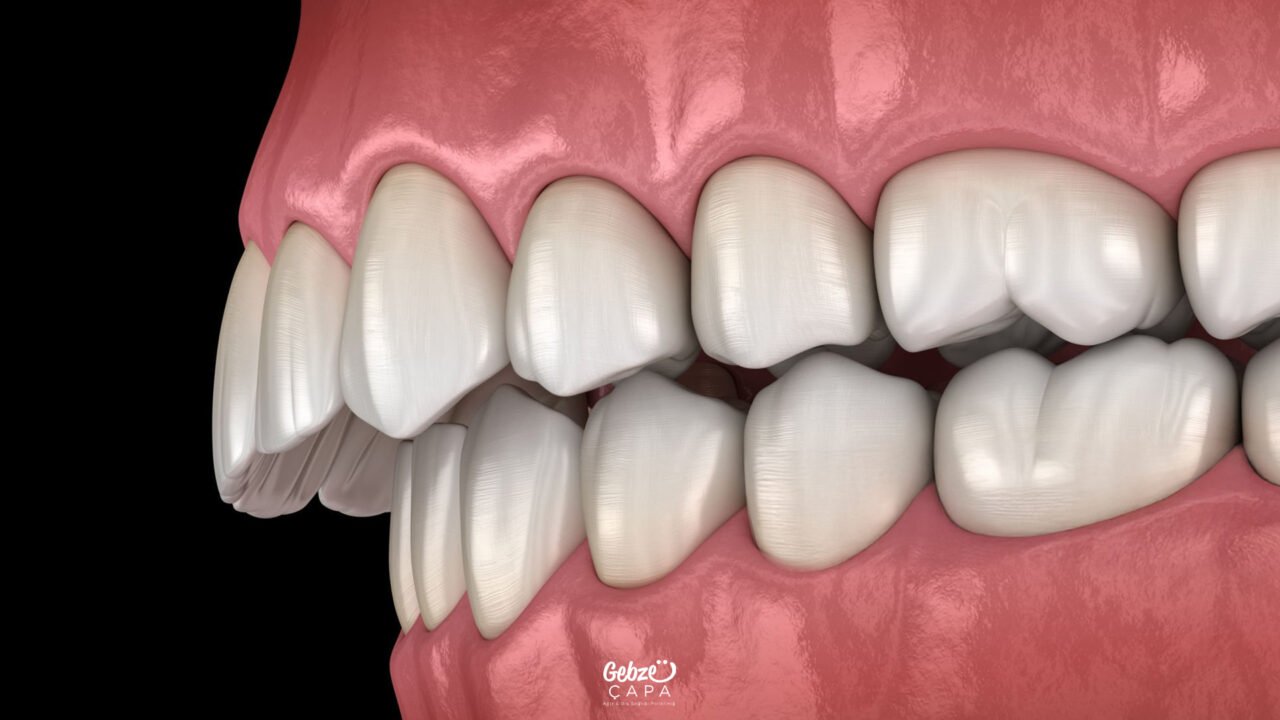
What is Malocclusion?
Our smiles, even if we don’t realize it, reveal a lot about us. How we feel, the energy we convey to the other person, and sometimes even our current level of confidence are all hidden in a single smile. But that’s life; we can’t always smile as we feel. Some small but impactful details can cause us to hide our smiles. For example, overlapping teeth, the upper and lower jaws not closing completely, that unbalanced feeling while chewing, or the involuntary reflex to close our mouth while taking a photo…
All of these conditions have one thing in common: malocclusion. This means a misalignment between the jaw and teeth. While it may sound like a technical term, its effects can be quite noticeable in our daily lives. It can affect not only aesthetics but also many of our habits, from speaking to chewing.
Malocclusion, in Its Simplest Form
Malocclusion is a general term for conditions where teeth don’t fit together perfectly. So, if your teeth don’t fit together properly when you close your mouth, if you feel a slight shift in your jaw as it closes, or if you feel like “something’s wrong” when you chew, this could actually be a subtle sign of malocclusion. Simply put, “tooth misalignment” wouldn’t be wrong; however, the effects of this misalignment aren’t limited to what you see in the mirror.
In fact, this condition affects far more people than we realize. Many of us live with this misalignment for years, even normalizing it by saying, “My jaw always closes like this.” However, malocclusion can affect not only your smile but also your speech, chewing habits, breathing patterns, and even your facial structure over time.
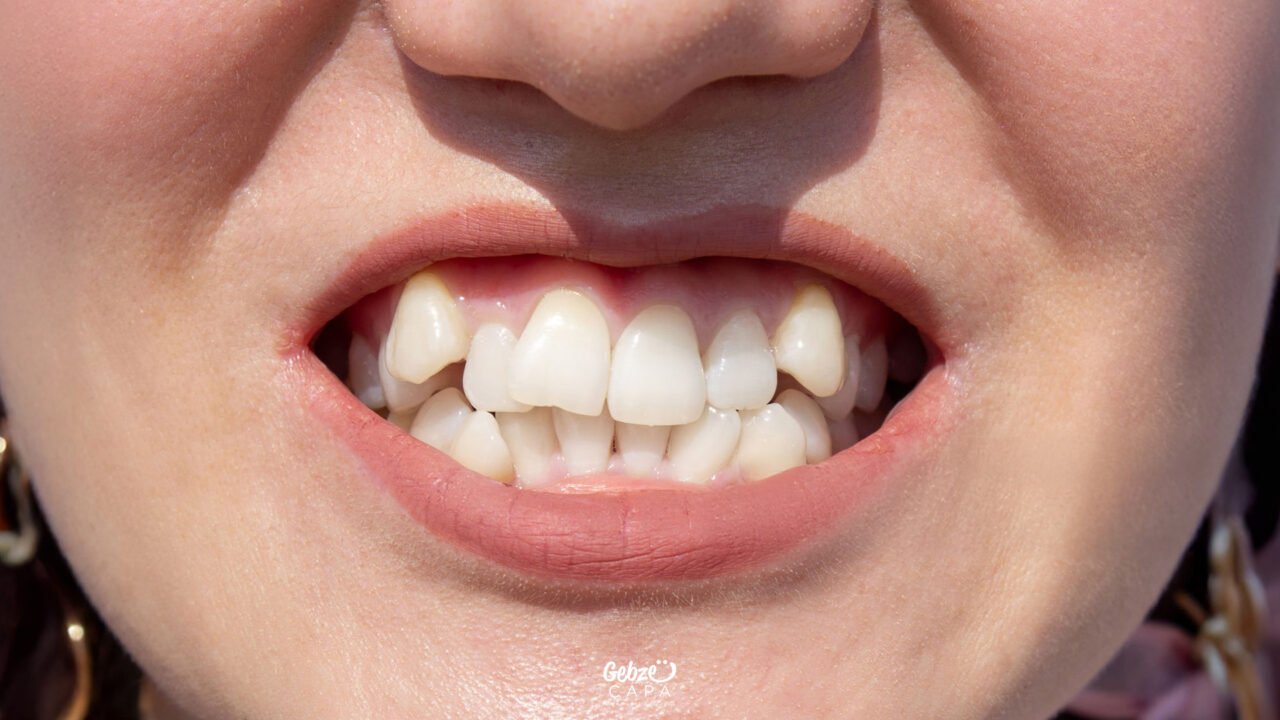
Causes of Malocclusion
It would be easy to dismiss the development of malocclusion as simply “genetics,” but the truth is a bit more complex. Yes, family traits play a significant role; the jaw structure, tooth alignment, and bite style inherited from parents often manifest in children. However, there are many other factors that can lead to malocclusion.
The early loss of primary teeth is a primary factor. While they may appear tiny, primary teeth actually act as guideposts for permanent teeth. If these teeth fall out prematurely, the permanent teeth that replace them may not find their way properly, leading to misalignments.
Another common habit is thumb sucking, prolonged pacifier use, or nail biting. These behaviors, especially if continued for extended periods during childhood, can push teeth forward, causing permanent changes in the jaw structure.
Jaw developmental disorders are also a significant cause of malocclusion. Conditions such as the lower jaw being too far forward, too far back, or the upper jaw being underdeveloped create both aesthetic and functional problems over time and often require orthodontic treatment.
In some cases, the cause is much more sudden: trauma. A fall, a blow, or any other injury to the jaw area can disrupt the alignment of the teeth and jaw. Childhood trauma can particularly affect jaw development.
And another long-term cause, often unnoticed: mouth breathing. Nasal congestion or habitual mouth breathing can alter the jaw’s position over time, leading to narrowing of the upper jaw.
What are the Types of Malocclusion?
When malocclusion is mentioned, not everyone thinks of a single image; it comes in different forms and severities. Many people don’t even realize which type they have, as these details are difficult to understand in daily life. However, when it comes to orthodontists, all these malocclusions are classified quite clearly.
Class 1 Malocclusion is the most common type. The jaws usually close normally, but the teeth exhibit alignment problems such as crowding, spacing, or crowding. In other words, while the bite is generally correct, the alignment is not quite as it should be.
Class 2 Malocclusion is more commonly known as “upper teeth forward” or “scratching.” In this condition, the lower jaw is recessed, while the upper teeth appear more prominent and forward. It is both aesthetically noticeable and can affect chewing functions over time.
The opposite occurs when a Class 3 malocclusion occurs. This means the lower jaw is positioned further forward than the upper jaw. This condition, commonly known as “forward jaw” or “prognathia,” is one of the most noticeable types of malocclusion, significantly altering the facial profile.
Another form is an open bite. When the upper and lower teeth meet, a gap remains, especially in the frontal area, and the teeth do not touch. This can cause difficulty with speaking and chewing.
There is also a deep bite. In this case, the upper front teeth cover the lower front teeth much more than they should. Sometimes, it can be so prominent that the lower teeth are almost invisible.
Malocclusion Symptoms
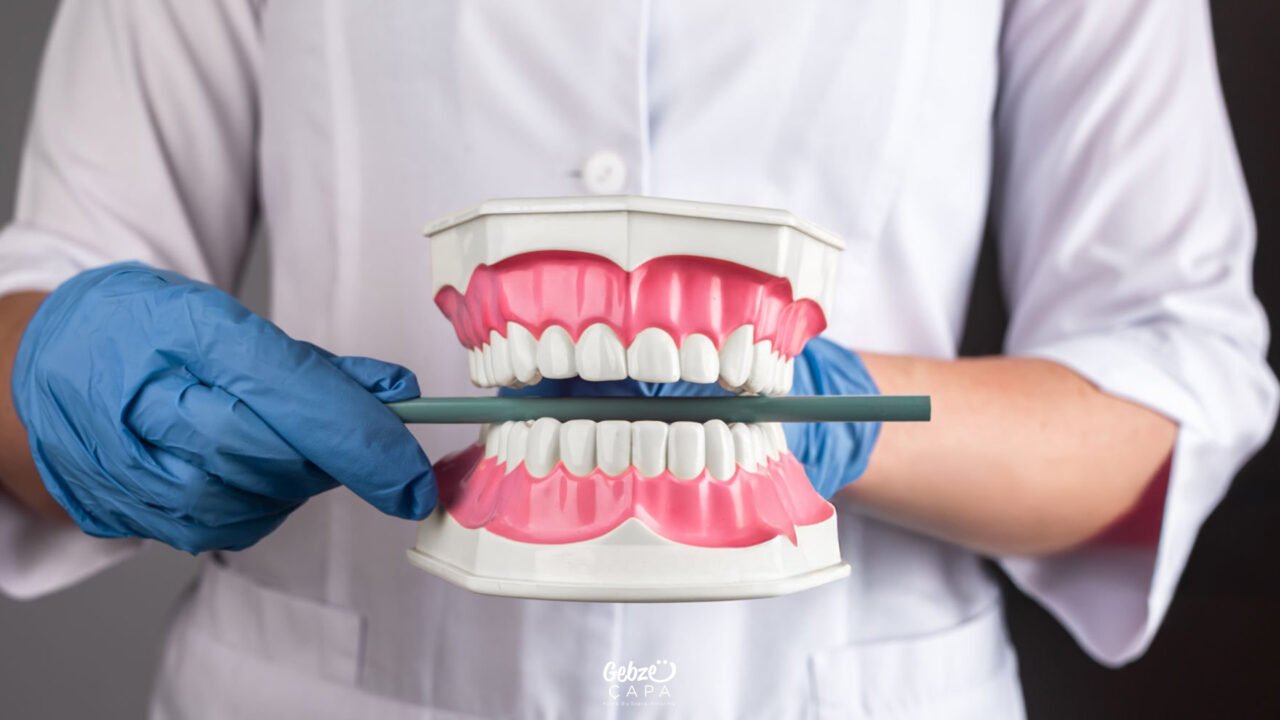
The most critical aspect of malocclusion is actually its symptoms, as many people don’t notice the problem or dismiss it as “it will pass.” However, difficulty chewing, the jaw shifting to the right or left when closing, a slight “click” sound when closing the mouth, fatigue in the jaw muscles, or occasional pain are all subtle but significant signs of this condition.
Other subtle signs of malocclusion include teeth grinding together more than usual, difficulty speaking when making certain sounds, and the need to hide the teeth when smiling. In short, these small details that create a feeling of “something isn’t right” in your daily life can actually be a sign of a larger imbalance.
Is There a Malocclusion Treatment?
If you’re wondering if malocclusion can be treated, the answer is a definite yes! Furthermore, today’s treatment options are both more comfortable and aesthetically pleasing. While treatment methods vary depending on the individual, the most common approach is orthodontic treatment; whether it’s traditional braces or invisible clear aligners, it helps align the teeth in a controlled manner.
If there’s a problem with jaw development and it’s detected at an early age, it’s also possible to direct the jaw in the correct direction with specialized appliances. In more advanced cases, surgical solutions such as jaw surgery for adults may be necessary. For conditions caused by habits like thumb sucking or tongue thrusting, behavior-focused treatments are used. In short, malocclusion is never “fate”; every age has its own solution; the key is to determine the right approach.
What Happens If Malocclusion Isn’t Treated?
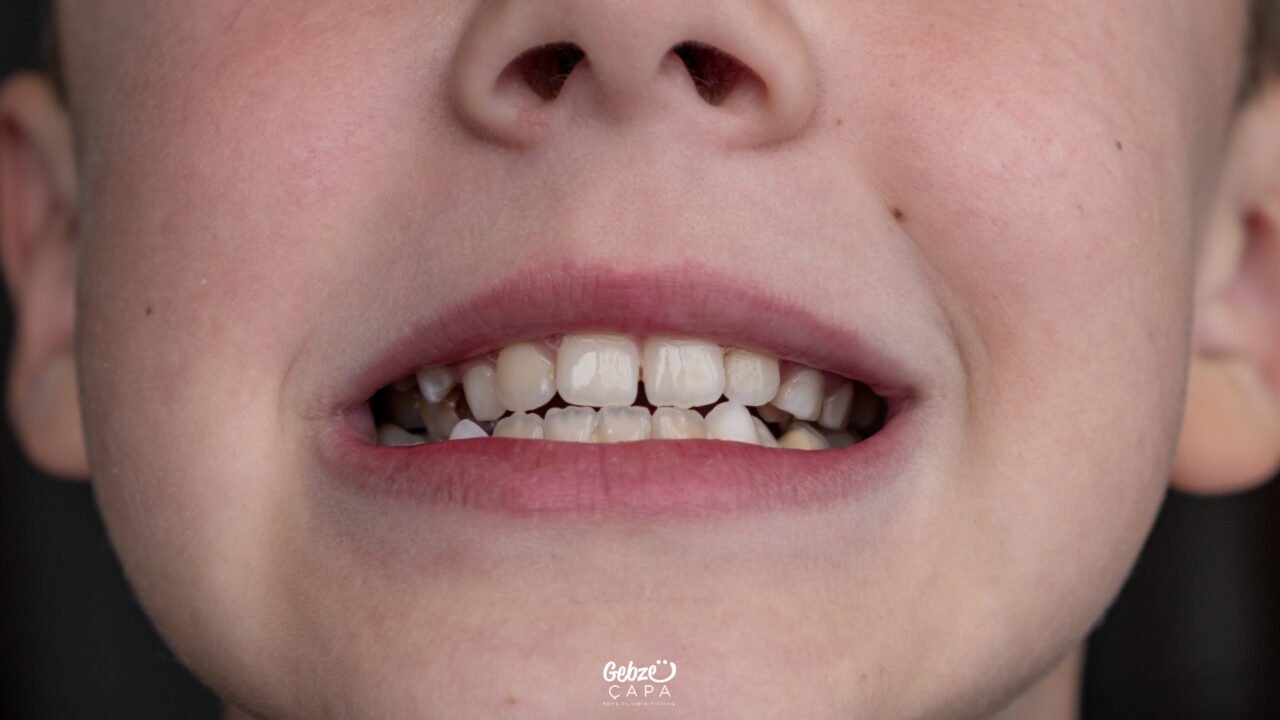
While saying, “My teeth are like this, I’m getting by,” may seem innocent at first, the effects of malocclusion can become much more pronounced over time. Untreated malocclusions can lead to tooth wear, problems such as pain and clicking in the jaw joint, and occasionally discomfort in the head and face.
Gum problems, impaired chewing function, and increasing aesthetic concerns are also common consequences. So, it’s not just about a beautiful smile; if neglected, it can affect many aspects of daily life.